

Paraffin Wax
By: Performa
Paraffin wax is effective for skin softening or pain frelief as a form of heat therapy. One pound block.
One pound block of unscented paraffin wax. Great for skin softening treatments on areas such as the hands, feet or cuticles. It can also be used to effectively relieve joint and muscle pain as part of a course of heat therapy.
Paraffin is a natural emollient that will treat skin dryness and roughness. When applied, it moisturizes the skin and can continue doing so after application.
It is also useful as an analgesic treatment for people with conditions like osteoarthritis and rheumatoid arthritis. When applied as a form of heat therapy, it improves blood flow to painful joints and muscles. Those suffering from muscle spasms and inflammatory conditions (not just arthritis) can benefit from regular heat treatments using paraffin wax.
Q & A
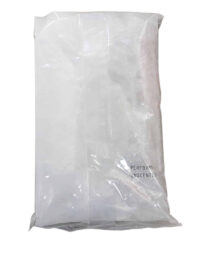
Table of Contents
Frequently Asked Questions
How does paraffin wax work to relieve joint and muscle pain?
Paraffin wax acts as a highly effective form of conductive heat therapy. When melted and applied to the body, it has a low melting point, allowing it to retain heat for an extended period without risking burns. This deep, penetrating warmth causes the blood vessels in the treated area to dilate, a process known as vasodilation. This increased blood flow delivers more oxygen and nutrients to stiff joints and aching muscles while helping to flush away metabolic waste products that contribute to pain and inflammation.
The primary benefit for chronic conditions like osteoarthritis, rheumatoid arthritis, or muscle spasms is twofold. First, the heat helps to reduce stiffness by increasing the elasticity of connective tissues, making movement easier and less painful. Second, the warmth soothes nerve endings, providing direct analgesic (pain-relieving) relief. This combination makes it an excellent, drug-free method for managing daily discomfort and improving mobility, especially when used consistently as part of a broader treatment plan.
Can paraffin wax truly improve the condition of my dry, rough skin?
Paraffin wax is a powerful natural emollient and occlusive agent. As an emollient, it works by filling in the microscopic cracks and flakes in the top layer of your skin, instantly creating a smoother, softer surface. Its primary magic, however, lies in its occlusive properties. When applied in its warm, liquid form and allowed to cool and solidify, it forms a physical, waterproof barrier over the skin.
This barrier dramatically reduces transepidermal water loss (TEWL), effectively trapping the skin’s natural moisture and the hydration from any lotion applied beforehand. The gentle heat also opens pores and boosts circulation, allowing for deeper absorption of moisturizers. The result is intensely hydrated skin that remains supple long after the wax is peeled away. It is particularly transformative for tough, dry areas like heels, elbows, and cuticles, leaving them noticeably more pliable and healthy.
Is paraffin wax treatment safe to use at home, and how do I perform a treatment correctly?
When done properly, paraffin wax treatment is very safe for home use. The key is careful temperature control, which is why a dedicated paraffin bath or warmer is strongly recommended over makeshift methods like a microwave. These devices melt and maintain the wax at a consistent, safe temperature (typically between 125-130°F). Always test a small drop on your inner wrist before full application.
For a standard treatment, begin by thoroughly cleaning and drying the area to be treated. Apply a thin layer of lotion. Then, slowly dip the area (like a hand or foot) into the melted wax, retracting it to let a layer cool and solidify before dipping again. Repeat 5-10 times to build a thick “glove” or “boot.” Wrap the wax-coated area in plastic wrap and then a towel to retain heat, and rest for 15-20 minutes. Finally, gently peel off the solid wax in large pieces (it can be reused). Do not use paraffin if you have poor circulation, numbness, open wounds, or severe diabetes without consulting your doctor first.


Reviews
There are no reviews yet