

Carbon Electrodes (Non Adhesive)
| Priced Per | Electrode |
|---|
Conductive carbon electrode for uniform current distribution. Made from carbon rubber and designed for use with sponges for adhesion. Sold individually.
This is a conductive carbon electrode for uniform current distribution. It is made from carbon rubber and designed for use with sponges for better adhesion to the skin.
Non-adhesive carbon electrodes are reusable tools commonly used in electrotherapy treatments to deliver electrical stimulation to specific areas of the body. These electrodes are durable and flexible, making them ideal for a variety of therapeutic applications. They are typically paired with conductive gels, sponges or straps to ensure proper skin contact.
Key Uses:
- Pain Management: Effective for reducing chronic and acute pain through TENS (Transcutaneous Electrical Nerve Stimulation) or other electrotherapy modalities.
- Muscle Stimulation: Helps improve muscle strength, prevent atrophy, and aid in rehabilitation after injury or surgery.
- Nerve Stimulation: Used to promote nerve activation and improve neuromuscular function.
- Injury Recovery: Supports recovery by increasing blood flow and reducing inflammation.
These electrodes are a cost-effective, eco-friendly option for clinics and individuals, providing consistent and reliable performance over multiple uses.
| Priced Per | Electrode |
|---|
Q & A
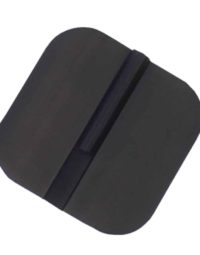
Table of Contents
Frequently Asked Questions
How do I properly clean and maintain carbon electrodes to ensure longevity and hygiene?
Proper maintenance is crucial for both performance and safety. After each use, gently clean the electrode’s carbon rubber surface with a soft cloth dampened with a mild soap and water solution or a specialized electrode cleaner. It is imperative to avoid alcohol-based wipes or abrasive cleansers, as these can dry out and crack the conductive carbon rubber over time, leading to inconsistent current delivery.
After cleaning, ensure the electrode is thoroughly dried with a towel and allowed to air dry completely before storage. Never store the electrode while it is damp or in a sealed plastic bag, as this promotes microbial growth and material degradation. When paired with sponges, the sponges themselves should be rinsed, disinfected according to the manufacturer’s guidelines, and replaced periodically. With this care, these durable electrodes can provide reliable, cost-effective service for hundreds of treatments.
Why are conductive gels or sponges necessary when using carbon electrodes, and which should I use?
Carbon rubber electrodes are non-adhesive and require a conductive medium to establish a stable, low-resistance connection with the skin. Without this medium, the current distribution becomes uneven and ineffective, potentially causing uncomfortable “hot spots” of concentrated energy. The choice between gel and sponge depends on the treatment goal and patient comfort.
Conductive gel is ideal for direct skin application, offering excellent conductivity for targeted treatments. For larger areas or sensitive skin, moistened conductive sponges are often preferred. The sponges act as a buffer, enhance patient comfort, and help keep the skin hydrated throughout the session. They also improve adhesion when used with securing straps. Always ensure the sponges are adequately moistened with water or a conductive solution to facilitate optimal current flow and ensure the therapeutic stimulus reaches the intended tissue depth.
Can carbon electrodes be used for both TENS and NMES/EMS modalities?
Yes, high-quality carbon rubber electrodes like these are versatile tools designed for use across various electrotherapy modalities, including Transcutaneous Electrical Nerve Stimulation (TENS) for pain management and Neuromuscular Electrical Stimulation (NMES/EMS) for muscle re-education. Their key design feature—uniform current distribution—is essential for both applications, ensuring the electrical stimulus is delivered comfortably and effectively across the entire treatment area.
The difference lies in the device settings and placement, not the electrode itself. For TENS, carbon electrodes are typically placed around the site of pain to target nerve pathways. For NMES, they are placed over specific motor points to elicit strong, comfortable muscle contractions. Their flexibility allows them to conform to various body contours, making them suitable for both purposes. Always follow your device’s specific protocols and consult a healthcare professional to determine the correct modality, placement, and parameters for your therapeutic objective.

Reviews
There are no reviews yet