

Rubber Carbon Electrodes
By: Chattanooga
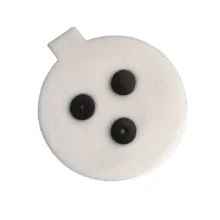
These are rubber carbon electrodes from Chattanooga for use with their Intelect Legend XT electrotherapy units.
Rubber carbon electrodes, also known as carbon rubber electrodes or rubber carbon-based electrodes, have several characteristics and advantages when used in healthcare applications.
Q & A

Table of Contents
Frequently Asked Questions
How do rubber carbon electrodes ensure patient comfort and accurate readings?
Rubber carbon electrodes are specifically engineered to balance patient comfort with clinical reliability. Their inherent flexibility allows them to conform gently to the body’s contours, ensuring stable skin contact without excessive pressure, which is crucial for longer monitoring sessions. This consistent contact is directly linked to data accuracy, as it minimizes motion artifacts that can disrupt signals.
The core of their performance lies in the carbon-based conductive material, which provides excellent and stable electrical conductivity. This ensures the reliable transmission of bio-signals—such as heart, brain, or muscle activity—to the monitoring device. By reducing electrical noise and maintaining signal integrity, these electrodes deliver the clear, consistent readings necessary for effective diagnosis and treatment in modalities like ECG, EEG, and TENS therapy.
Are these carbon electrodes cost-effective and sustainable for clinical use?
Yes, their reusability is a primary advantage for healthcare settings focused on efficiency and sustainability. Unlike disposable electrodes, high-quality rubber carbon electrodes are designed for repeated use through proper cleaning and sterilization protocols. This durability offers significant long-term cost savings by reducing the need for constant repurchasing of single-use supplies.
Furthermore, their robust construction from materials like silicone rubber and carbon lends them a longer functional lifespan. They resist degradation from conductive gels and repeated application, maintaining their performance over time. This combination of reusability and durability makes them an economically and environmentally sensible choice for routine clinical applications, without compromising on care standards.
What are the cleaning protocols and primary limitations of carbon electrodes?
Proper maintenance is straightforward but essential. Typically, cleaning involves wiping the electrode surface with a recommended disinfectant or mild soapy water to remove salt residues, gels, and oils, followed by thorough drying. It is crucial to avoid abrasive tools or harsh chemicals that could damage the conductive carbon surface or porous rubber.
Their main limitation arises in highly specialized diagnostic scenarios. While excellent for routine monitoring, they may not achieve the ultra-low impedance sometimes required for advanced neurological or research-grade bio-signal acquisition. In these cases, specialized disposable electrodes or silver-based models might be preferred. However, for the vast majority of therapeutic and diagnostic applications, their blend of comfort, reliability, and cost-effectiveness remains unmatched.


Reviews
There are no reviews yet