

Back Stretcher
By: Cando®
The CanDo® Back Stretcher is designed to replicate the spine’s natural curvature, realign posture and alleviate muscle tension
The CanDo® Back Stretcher is ingeniously crafted to replicate the spine’s natural curvature, aiming to realign posture and alleviate muscle tension. Effortlessly recline onto the stretcher, ensuring your spine aligns seamlessly with its central indentation.
By lying on the stretcher for brief five-minute intervals, you allow it to provide essential support to your back and muscles. Consistent utilization of the CanDo® Stretcher holds the promise of significant posture enhancement and the alleviation of discomforts stemming from poor posture, such as muscle spasms, headaches, and tension.
Q & A
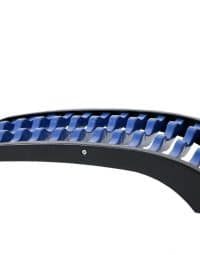
Table of Contents
Frequently Asked Questions
How long and how often should I use the CanDo® Back Stretcher for best results?
The CanDo® Back Stretcher is designed for short, consistent sessions rather than prolonged use. According to the product guidance, lying on the stretcher for just five minutes at a time is sufficient to provide effective support to your back and surrounding muscles.
Why only five minutes? Extended periods on any stretching device can over-relax or overstretch supporting muscles, potentially leading to stiffness or strain. The five-minute recommendation is intentionally brief to encourage regular, gentle alignment without risking discomfort. For optimal results, aim to use the stretcher once or twice daily.
Consistency is far more important than duration. Regular five-minute sessions help retrain postural habits by gently encouraging the spine to adopt its natural curvature over time. Many users find it helpful to incorporate the stretcher into a morning or evening routine—perhaps while listening to music or practicing deep breathing.
As your muscles adapt, you may gradually increase frequency, but always listen to your body. If you experience any sharp pain, discontinue use and consult a healthcare professional. Over time, consistent, short sessions can lead to meaningful improvements in posture and relief from tension-related issues like headaches or muscle spasms.
Can the CanDo® Back Stretcher help with chronic back pain or specific conditions like herniated discs?
The CanDo® Back Stretcher is primarily designed for posture realignment and tension relief related to poor postural habits, not as a medical device for treating specific spinal conditions. While it may offer comfort for some types of chronic discomfort, caution is essential.
For individuals with muscle tension, stiffness, or postural imbalances—such as rounded shoulders or a hunched upper back—the stretcher can be highly beneficial. By replicating the spine’s natural curvature, it gently encourages muscles to relax into proper alignment, which may alleviate secondary symptoms like tension headaches or mild muscle spasms.
However, for diagnosed conditions such as herniated discs, spinal stenosis, osteoporosis, or acute inflammation, using a back stretcher without medical approval could worsen symptoms. A herniated disc, for example, involves displaced tissue that may be aggravated by arching or extension movements. Always consult a physician or physical therapist before using any back-stretching device if you have a known spinal condition.
In summary: for general posture-related tension, the CanDo® Stretcher is an excellent tool. For chronic or structural back pain, seek professional guidance first to ensure safety and appropriateness for your specific situation.
Is the CanDo® Back Stretcher comfortable to use, and will it fit different body types?
Comfort and adaptability are central to the CanDo® Back Stretcher’s design. Its central indentation is ingeniously crafted to mirror the natural curve of the human spine, meaning that when you recline, your vertebrae should align seamlessly with the device. Most users report a gentle, supported stretch rather than any sharp or intrusive pressure.
That said, comfort can vary based on individual anatomy. The stretcher is designed to accommodate a wide range of body types, but individuals with very pronounced spinal curves (such as hyperlordosis or kyphosis) or those who are significantly underweight or overweight may experience different pressure points. The stretcher’s rigid yet contoured surface provides consistent support, but it does not conform like a foam pad.
To use it comfortably: lie on a firm, flat surface, recline slowly, and adjust your position so that your spine rests naturally within the central groove. If you feel excessive pressure on your tailbone or upper back, try placing a thin towel or yoga mat beneath the stretcher. Most users find the five-minute session entirely manageable, and many report that initial mild discomfort fades as muscles relax into alignment. For those new to back stretching, starting with two to three minutes and gradually increasing duration can also enhance comfort.


Reviews
There are no reviews yet