

Tuning Fork
By: Almedic
- Medical tuning fork, aluminum alloy
- 128 Hz, 256 Hz or 512 Hz
- With or without clamps
This medical tuning fork is made of aluminum alloy for clinicians who test vibration sense and screen hearing. Choose 128 Hz, 256 Hz or 512 Hz, with or without clamps. As a general guide, 128 Hz forks are used for vibration sense in neurological exams, and 512 Hz forks are usually preferred for Rinne and Weber hearing tests.

Medical Tuning Fork Features
- Frequencies: 128 Hz, 256 Hz or 512 Hz
- Clamps: optional clamps (dampers) on the tines
- Material: aluminum alloy
- Handle: stem sized for a steady grip
- Size: compact for a lab coat or kit bag
Common Uses
Strike the tines and place the stem on a bony landmark, such as the big toe joint or ankle, to check vibration sense, or use it beside and behind the ear for hearing screening. Clamps reduce overtones on lower frequencies so the vibration fades evenly.
Complete Your Neuro Kit

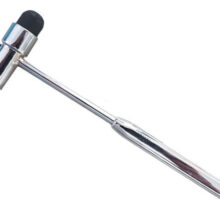
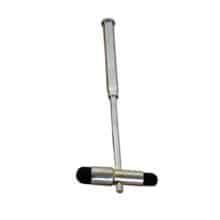
Most neurological screening kits also include a reflex hammer, such as the Taylor percussion hammer or a neuro hammer with brush and needle, plus a Wartenberg pinwheel for sharp sensation.
Options
Frequency: 128 Hz, 256 Hz or 512 Hz. Design: with clamps or without clamps.
Q & A
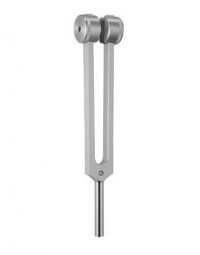
Table of Contents
Frequently Asked Questions
Which frequency should I choose?
128 Hz is common for vibration sense testing; 512 Hz is usually preferred for hearing tests.
What do the clamps do?
They dampen overtones so the vibration is cleaner and fades evenly.

Reviews
There are no reviews yet