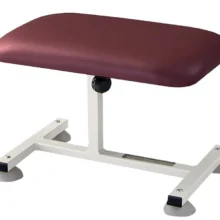
1. Mobility and Portability: Therapy stools are typically lightweight and designed with wheels or casters, making them highly mobile. This mobility allows therapists to easily move the stool to different locations within the clinic or on the field, ensuring efficient and flexible treatment sessions.
2. Ergonomic Support: Therapy stools are designed with ergonomic considerations in mind. They provide comfortable seating for both therapists and patients during evaluation and treatment sessions. Proper ergonomics reduce the risk of strain or discomfort for therapists who may spend long hours working with athletes.
3. Patient Evaluation: In sports medicine, thorough assessments of musculoskeletal conditions and injuries are crucial. Therapy stools provide a stable and comfortable platform for therapists to conduct physical examinations, range-of-motion assessments, and palpation of injured or affected areas.
4. Treatment Procedures: Therapy stools facilitate various treatment procedures such as manual therapy, massage, and joint mobilization. Their adjustable height allows therapists to position themselves optimally to apply specific techniques and provide effective treatment to athletes.
5. Rehabilitation Exercises: Sports injuries often require targeted rehabilitation exercises. Therapy stools can be used to instruct athletes in exercises, stretches, and functional movements. The stools can serve as support for athletes during balance and strengthening exercises.
6. Ultrasound and Electrical Stimulation: A rolling stool keeps the clinician comfortable and close to the patient while applying modalities like ultrasound and electrical stimulation.
7. Education and Communication: Therapists use therapy stools as a platform for educating athletes about their injuries, treatment plans, and prevention strategies. Clear communication and athlete understanding are essential components of successful sports injury management.
8. Comfort for Patients: Patients, including athletes, may experience discomfort or pain while undergoing evaluation and treatment. Therapy stools provide a comfortable and supportive seating option during therapy sessions, enhancing the overall patient experience.
9. Safe and Secure: Therapy stools are designed with stability and safety in mind. Their sturdy construction helps keep them stable in use.
10. Flexibility in Athlete Positioning: The adjustable height and mobility of therapy stools allow therapists to accommodate athletes of different sizes and accommodate various treatment scenarios. This flexibility is particularly valuable when working with a diverse range of athletes.
In conclusion, therapy stools play a pivotal role in sports medicine by providing healthcare professionals with versatile, comfortable, and ergonomic seating solutions that enhance patient evaluation, treatment, and rehabilitation. Their mobility, stability, and support contribute to the efficiency and effectiveness of sports injury management, helping athletes recover and return to peak performance.