Hip Brace
The It’s You Babe Hip Brace gives compression to the pelvic cradle and sacroiliac (or SI Joints). Has been used to reduce pain and swelling during recovery after hysterectomy.

Dunbar Medical supplies SI belts (sacroiliac belts) to physiotherapy, chiropractic and pelvic health clinics across Canada. We carry the Oppo sacroiliac belt and the It’s You Babe hip brace and hip brace/V2 supporter combo, with wholesale pricing for approved business accounts.

The It’s You Babe Hip Brace gives compression to the pelvic cradle and sacroiliac (or SI Joints). Has been used to reduce pain and swelling during recovery after hysterectomy.

The It’s You Babe Hip Brace/V2 Supporter Combo helps to relax hip joints and reduce pelvic girdle pain, courtesy of its adjustable compression of problem areas. Helps with a variety of problems including varicose veins, Pelvic Girdle Pain and more. Made in the USA.

The Oppo sacroiliac belt is a versatile solution for managing pain & promoting recovery, making it essential for postpartum care, pregnancy, and rehabilitation.
A sacroiliac (si) belt (also known as a sacroiliac belt or si joint belt) is a support belt that helps reduce pain and inflammation in the sacroiliac (si) joint. Si belts are also sometimes referred to as trochanteric belts.
Si belts are usually between 4 and 8 inches wide and made from an elastic or similarly stretchy material. They are meant to be worn snugly around the hips.
Many of these belts are equipped with buckles or Velcro fasteners, which make them adjustable. Belts with these features make it easy for the user to adjust the compression level. They also simplify the process of choosing the correct size.
SI joint belts provide support only for the ligaments of the si joint.This targeted support means an si belt is less likely to weaken the back muscles than a full back brace. They are intended only to reduce stress on the si joint and allow the ligaments of that joint an opportunity to heal.
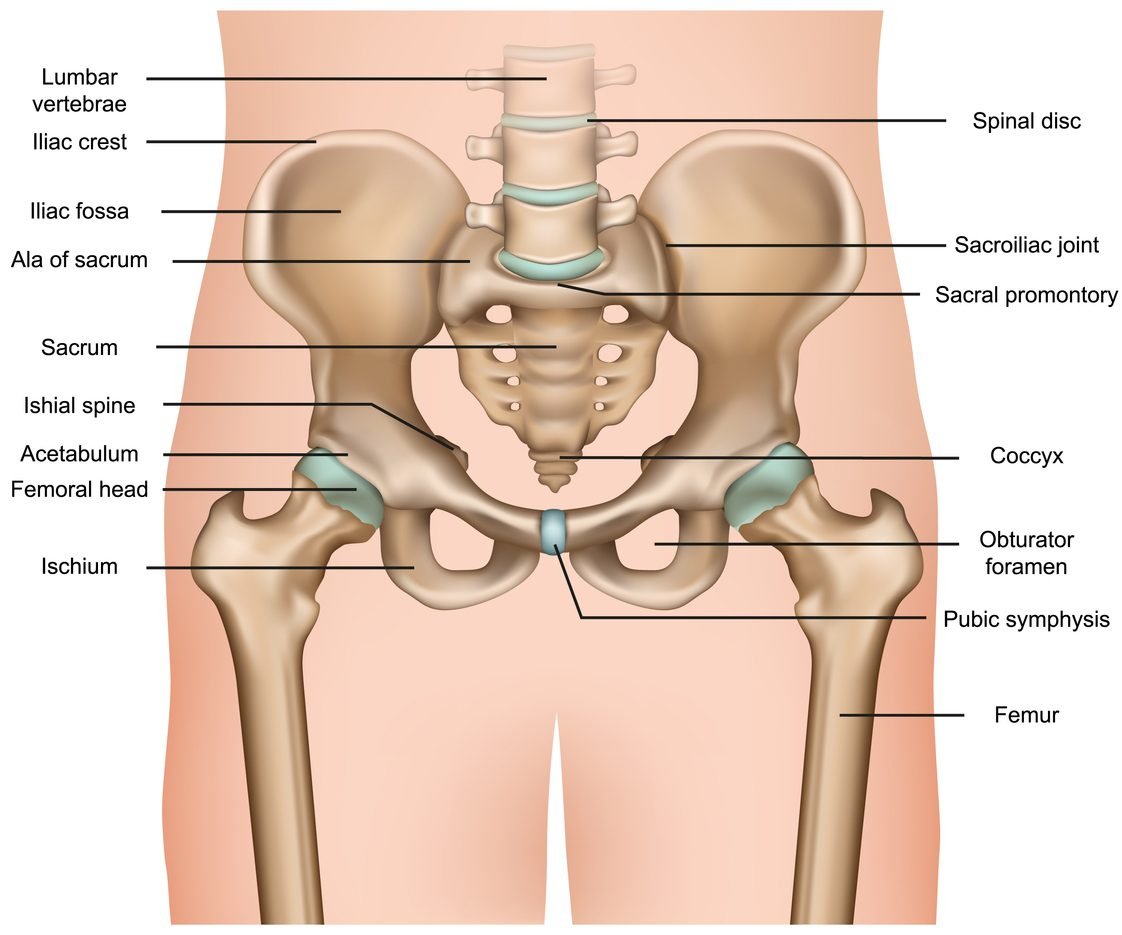
There are actually two si joints - one on each side of the base of the spine. The joint is the point where the spine meets the pelvis. As with other joints, the two bones (spine and pelvis) are held together by strong ligaments. These ligaments keep the joint properly aligned and allow us to stand or walk properly.
The ligaments have a small amount of “give” in them - just enough to allow limited joint movement during weight bearing activities.
The si joints also serve as shock absorbers between the spine and the lower body.
The image above illustrates the si joint located at the intersection of the spine and pelvic bones.
The si joint becomes unstable if the spine and pelvis are not being kept in proper alignment. This can happen if the ligaments holding the joint together become damaged.
When this happens, the affected person may experience difficulty remaining in one place for an extended period. They will also experience a “gripping” or “stabbing” pain at the base of the spine.
Another common symptom of sacroiliac joint dysfunction is pain and difficulty encountered while climbing stairs or trying to lie on one side.
As mentioned above, the ligaments that keep the joint in proper alignment may become damaged and loose. One of the conditions that can sometimes cause widening and excessive movement of the si joint due to ligament damage is pregnancy or childbearing.
Overstretched ligaments allow too much movement of the joint and cause si joint instability and pain.This is where the si joint belt (or si belt or trochanteric belt) comes in.
It supports the sacroiliac joint ligaments by doing the job they are normally responsible for doing. The belt is designed to keep the SI joint in proper alignment. It also supports the SI joint and reduces the stress on it. By performing this role, the trochanteric belt helps relieve pain and allows the damaged ligaments to heal.
You normally wear the belt around the hips in a snug fit. Your doctor or physiotherapist will advise how long to wear it; often it is worn mainly during standing, walking and other weight-bearing activities while the joint settles.
You should avoid vigorous exercise during the time you are advised to wear an si belt.
It is helpful in some cases to wear your SI Belt belt round the clock. But we would advise you to check with your physician before doing this. If your doctor agrees with this step, here are some tips:
Although si belts can be very helpful for si joint sprains and pelvic girdle pain, they are not to be used to treat other si joint problems. We mention some of these limitations below.
Like any other joint of the body, the si joint can be attacked by arthritis. Trochanteric belts are not a treatment for arthritis itself. Instead, consult with a doctor who can advise on the medications you should take to control the inflammation produced by the arthritis.
This is another common cause of si joint dysfunction and pain. However, an si joint belt should not be used to treat this problem. Instead, a heel lift recommended by a health professional may help to reduce si joint pain.
An SI joint belt is worn low, around the pelvis between the top of the hip bones and the bony points at the side of the hips (the greater trochanters), not around the waist. Tighten it while standing, snug enough to support the joint but not so tight that it pinches or restricts breathing, and loosen it when sitting for long periods. Size by hip circumference at that level. Combine the belt with strengthening exercises from a physiotherapist. See also maternity belts, back belts and lumbar supports.
Buying for personal use? Shop SI belts at Remain in the Game, our store for individual customers.