Fingertip Pulse Oximeter, Standard
The fingertip pulse oximeter from Baseline can measure oxygen levels in the body as well as the pulse rate right in the comfort of your home.

Dunbar Medical supplies pulse oximeters to clinics, athletic therapists, sports teams and first aid providers across Canada. We carry the Physio Logic pulse oximeter and the Baseline fingertip pulse oximeter, which read oxygen saturation (SpO2) and pulse rate in seconds.
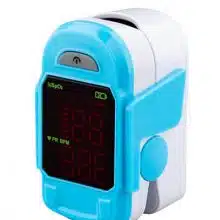
The fingertip pulse oximeter from Baseline can measure oxygen levels in the body as well as the pulse rate right in the comfort of your home.

Discover how the PhysioLogic Pulse Oximeter will bring you the experience the ultimate in convenient, reliable home health monitoring.
Oximeters are valuable devices used in sports medicine to measure oxygen saturation levels in the blood. They give a quick, non-invasive check of oxygen saturation (SpO2) and pulse rate at rest, after exercise and at altitude.
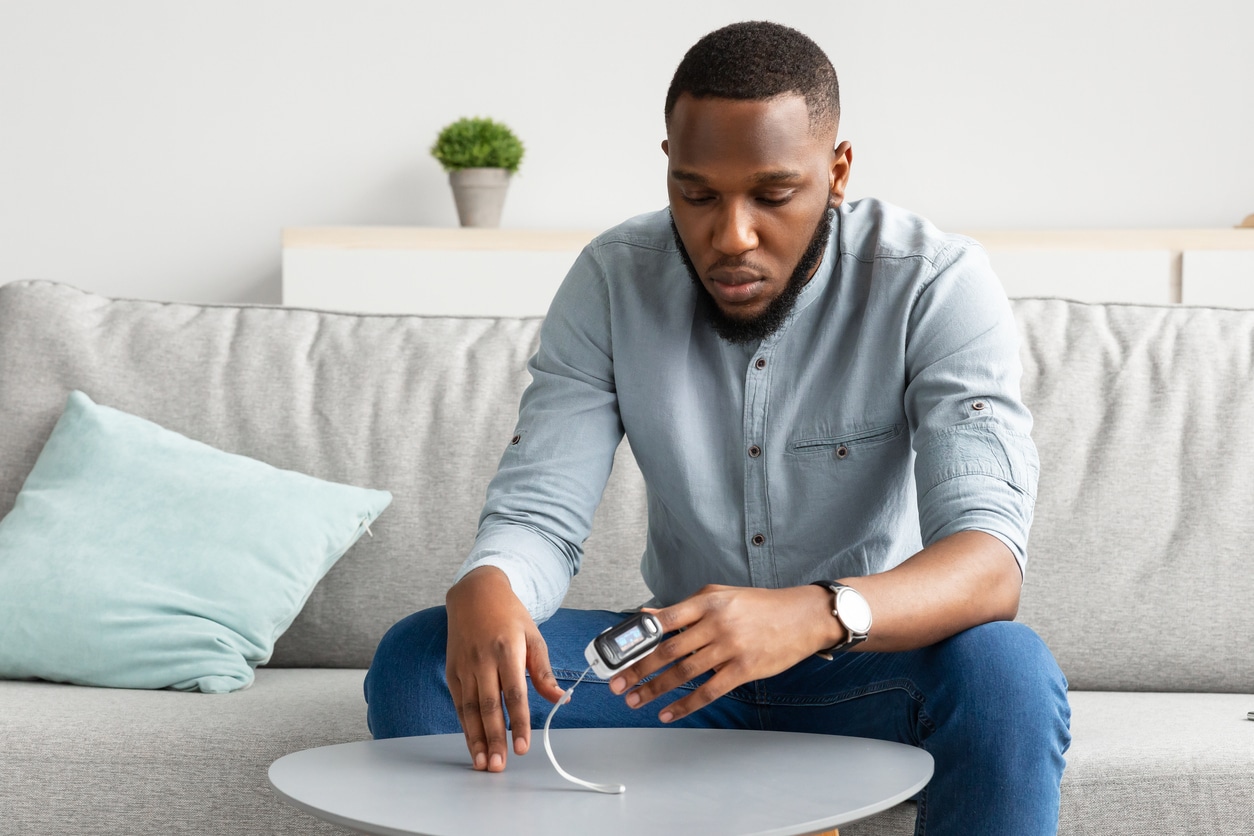
Oximeters provide real-time data that helps healthcare professionals evaluate an athlete's physiological response to exercise, identify potential issues, and guide interventions.
In this article, we explore the uses of oximeters in sports medicine and their significance in monitoring oxygen saturation and enhancing athletic performance.
Oximeters are primarily used to monitor oxygen saturation levels in sports medicine. Oxygen saturation refers to the percentage of hemoglobin in the blood that is bound to oxygen. During exercise, the demand for oxygen increases, and monitoring oxygen saturation provides insights into how well an athlete's body is delivering oxygen to working muscles. Oximeters measure oxygen saturation noninvasively, typically through a clip-like sensor attached to a finger, earlobe, or other peripheral sites.
This real-time monitoring allows healthcare professionals to assess an athlete's oxygenation status during different exercise intensities and evaluate how well their body is adapting to the demands of physical activity.
Oximeters help healthcare professionals assess an athlete's exercise tolerance and endurance by monitoring changes in oxygen saturation levels during exercise.
By tracking oxygen saturation patterns, healthcare professionals can determine if an athlete is maintaining adequate oxygenation during prolonged or intense physical exertion. Persistent drops in oxygen saturation may indicate reduced exercise tolerance, inadequate respiratory function, or other underlying issues that need to be addressed.
Monitoring oxygen saturation levels allows for personalized training adjustments, exercise prescriptions, and conditioning programs to optimize endurance performance.
Oximeters assist in evaluating an athlete's respiratory function and detecting potential respiratory issues.
A drop in oxygen saturation during or after exercise can be a sign of a respiratory problem, such as exercise-induced bronchoconstriction, that needs proper testing. Significant drops in oxygen saturation during exercise may suggest inadequate oxygen uptake or impaired lung function.
By detecting such issues, healthcare professionals can initiate appropriate interventions, such as inhaler use, breathing exercises, or referral to a respiratory specialist, to manage respiratory conditions and optimize an athlete's performance potential.
Oximeters play a vital role in monitoring altitude adaptation in sports medicine. When athletes train or compete at high altitudes, where the oxygen concentration is lower, their bodies must adapt to the reduced oxygen availability. Monitoring oxygen saturation levels allows healthcare professionals to assess an athlete's adaptation to altitude and determine if they are experiencing hypoxia or inadequate oxygen delivery.
This information guides altitude training protocols and helps identify athletes who may benefit from additional interventions, such as supplemental oxygen or altitude simulation devices, to optimize their performance at high altitudes.
Oximeters are valuable tools for monitoring an athlete's recovery from intense exercise or injury. A return to normal oxygen saturation and resting pulse after exercise is one simple sign of recovery.
Monitoring oxygen saturation during the recovery period allows healthcare professionals to assess the adequacy of oxygen delivery, detect any lingering effects of intense exercise or injury, and guide the implementation of recovery strategies such as appropriate nutrition, hydration, and rest.
Monitoring recovery helps prevent overtraining, optimize training load, and minimize the risk of subsequent injuries.
Oximeters are useful devices in sports medicine, providing real-time monitoring of oxygen saturation levels in athletes. By assessing oxygenation status, healthcare professionals can evaluate an athlete's physiological response to exercise, identify potential respiratory issues, and optimize training and performance strategies.
The use of oximeters enables personalized training adjustments, altitude adaptation monitoring, and accurate evaluation of exercise tolerance and recovery.
Take readings with the patient still, the hand relaxed at heart level and the finger warm. Motion, cold fingers, nail polish, poor circulation and bright light can all give false readings, and pulse oximeters can overestimate oxygen levels in people with darker skin. Healthy people usually read about 95% to 100% at rest. Treat a low reading as a reason to recheck and assess the patient, not as a diagnosis on its own. See also heart rate monitors, blood pressure monitors and all diagnosis and testing equipment.
Buying for personal use? Shop pulse oximeters at Remain in the Game, our store for individual customers.