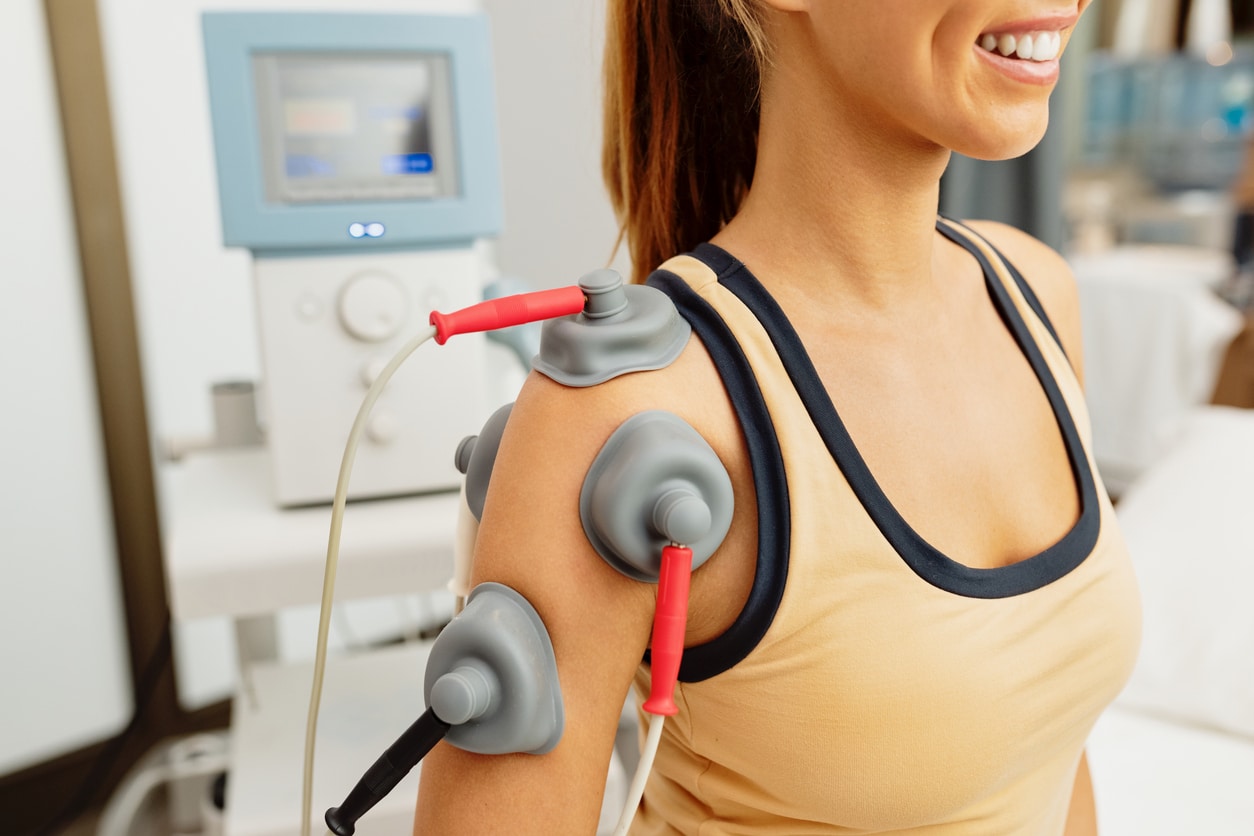
1. Pain Management: Modalities are often used to alleviate pain associated with sports injuries. Techniques such as cold therapy (cryotherapy) and heat therapy (thermotherapy) can help reduce inflammation, muscle spasms, and discomfort. Electrical stimulation modalities, like TENS (Transcutaneous Electrical Nerve Stimulation), can also be used to modulate pain perception.
2. Inflammation Reduction: Inflammation is a common response to sports injuries. Modalities like cold therapy, compression, and contrast baths help reduce pain and swelling.
3. Muscle Rehabilitation: Modalities aid in muscle rehabilitation and strengthening. Techniques such as electrical muscle stimulation (EMS) and neuromuscular electrical stimulation (NMES) can be used to activate and strengthen weakened muscles, assisting athletes in regaining strength and function.
4. Improved Circulation: Modalities like heat, ultrasound and massage can increase local blood flow, which many clinicians use to help prepare tissues for exercise and manual therapy.
5. Joint Mobility and Flexibility: Modalities like joint mobilization and therapeutic stretching techniques help restore joint range of motion and improve flexibility. This is essential for athletes to regain their full functional capacity.
6. Wound Healing: In cases of open wounds or post-surgical recovery, some modalities, such as certain forms of electrical stimulation, are used as part of wound care under medical supervision.
7. Performance Enhancement: Some modalities, such as electrical stimulation and biofeedback, are used not only for injury management but also for performance enhancement. These modalities can help athletes improve muscle control, coordination, and biomechanical efficiency.
8. Recovery and Rehabilitation: Modalities are integrated into comprehensive rehabilitation programs tailored to the specific needs of athletes. These programs often combine modalities with therapeutic exercises, manual therapy, and functional training to ensure athletes return to play safely and at their best.
9. Injury Prevention: In addition to treatment, modalities are used in sports medicine for injury prevention. Pre-game or pre-practice routines often combine modalities such as heat with dynamic stretching, taping, and bracing.
10. Education and Monitoring: Sports medicine professionals educate athletes on the appropriate use of modalities and monitor their progress throughout the rehabilitation process. They adjust treatment plans as needed to ensure optimal outcomes.
In summary, modalities are essential tools in sports medicine, serving a multifaceted role in injury management, recovery, performance enhancement, and injury prevention. When used skillfully and in conjunction with a comprehensive treatment plan, modalities are a useful part of athlete care.