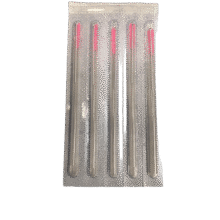
The Western view of acupuncture is that the needles are inserted to reach nerves, connective tissues and muscles. By reaching and stimulating these nerves with needles, acupuncture works to stimulate the body’s natural pain killing capability. This process is therefore somewhat analogous to electrical stimulation of nerves as achieved using a TENS unit.
Like TENS therapy, acupuncture is regarded by Western practitioners as a form of complementary or alternative medicine.
The TCM view of acupuncture, however, is needle insertion at the appropriate points balances the flow of energy through the body. This in turn reduces pain and enhanced well being.
In this article we will explain the process of acupuncture therapy as well as the benefits claimed by its supporters.
We will also explain some of the risks of the procedure. This will include a summary (not necessarily exhaustive) of the situations when it may be contraindicated.
What You Should Expect During An Acupuncture Session
We will briefly describe below the key steps of a course of acupuncture treatment. However, you should be aware that this is only a general outline. Each acupuncture practitioner has a more or less unique style and technique customized to achieve specific goals.
Initial Evaluation
Your acupuncturist may first ask you questions to understand what you hope to get from your treatment. He or she may ask which (if any) parts of your body are giving pain. Moreover, you may also be asked about various aspects of your lifestyle.
The initial evaluation may also include a physical examination in which the acupuncturist examines:
- The areas that are causing pain;
- Your tongue;
- Face;
- Your pulse rate.
The Procedure
The acupuncturist will normally ask you to lie on a padded table. In addition, you may be asked to remove your clothing. If so, a gown or sheet will be provided to maintain privacy.
Once you are ready, the acupuncturist will begin the treatment. Very thin needles will be inserted at various points of the body. The needles may be as thin as 0.12mm to 0.3mm in gauge (or diameter) and this helps to reduce patient discomfort. The depth of insertion will vary with the location as well as the preferences of your therapist.
In most cases, the patient experiences no discomfort during needle insertion. Some patients report a slight aching feeling when full insertion is achieved, but usually nothing more serious.
Once the needles are fully inserted, the therapist may gently manipulate them. Some practitioners may also warm the needles or apply small electrical impulses to them. Once this is done, you may be asked to lie still for around 10-20 minutes.
Once you have come to the end of the treatment, the needles will be removed. As with insertion, you will generally experience little or no discomfort during removal.
The number of treatments required will vary from one practitioner to another. It will also depend, of course, on the severity of the condition you are treating.
What Benefits Are Claimed For Acupuncture?
Research has uncovered evidence suggesting that acupuncture reduces pain from several conditions.
These include low back pain, knee and neck pain and osteoarthritis. Some researchers also cite evidence that it can help reduce pain due to headaches, including those due to migraine.
Some studies also suggest it may help with menstrual pain, although the evidence for many other uses is weaker. A useful resource for the current state of evidence on the effectiveness of acupuncture can be found here.
General Advantages Of Acupuncture Treatment
In general, acupuncture enjoys the following merits when compared with many Western approaches to treatment of pain:
- Very few side effects;
- No risk of addiction;
- It can usually be combined with other treatments, although you should tell your practitioner about any medications you take.
Acupuncture Side Effects, Risks & Contraindications
If you have decided to try acupuncture, it is important to choose a practitioner who is experienced and certified. This will keep your risk of adverse side effects to a minimum.
Some of the common and harmless side effects include soreness at the point of needle insertion. Minor bleeding and/or bruising have been reported by some patients. These usually clear up within a short period after completion of treatment.
Having said this, however, there are some conditions that may make acupuncture treatment a high risk for you. These include (but are not necessarily limited to):
- If you suffer from hemophilia (a tendency to bleed excessively);
- If you are on blood thinning medication (of which aspirin is one of the most common examples). Many individuals over the age of 50 routinely take blood thinners to reduce the risk of a heart attack or stroke. These individuals should seek medical advice (at a minimum) before embarking on a course of acupuncture treatment;
- We have suggested on this site that TENS and electrical muscle stimulation treatments are not advisable for those using pacemakers. The same is true of acupuncture if this includes application of electrical pulses to the needles while they are inserted.
- If you are pregnant, tell your practitioner and check with your doctor or midwife first, since some acupuncture points are avoided during pregnancy.
Choosing An Acupuncture Practitioner
We have alluded above to the importance of ensuring that your practitioner is properly certified in acupuncture technique.
In Canada, acupuncture is regulated provincially. Check that your practitioner is registered with the regulatory college in your province, or is a regulated health professional (such as a physiotherapist or chiropractor) authorized to perform acupuncture.
Beyond this, we would suggest the same procedure that most of us will follow when choosing an important good or service:
- Get feedback from patients who have been treated by the practitioner you are considering;
- Try to arrange a meeting with your practitioner before making a final choice. Try to ascertain his or her experience and treatment approach. Inquire also about the cost of treatment and whether insurance coverage is available;
- The availability of insurance coverage may be an indicator that you are dealing with a reputable provider. Most insurers will probably conduct a vetting procedure on the practitioners whose treatments they will cover.
- As with most of the treatments we discuss on this site, we also suggest consulting with your regular doctor. Ask not just about the advisability of undergoing acupuncture treatment but also about your choice of practitioner.