Physiotherapy Laser Therapy: How It Works And Choosing The Right Applicator
Physiotherapy laser therapy, also known as low-level laser therapy (LLLT), cold laser therapy or photobiomodulation, uses light to treat pain and help soft tissue heal. It is a popular modality in physiotherapy, athletic therapy and chiropractic clinics because it is non-invasive, quick to apply and usually painless.
This guide explains how laser therapy works in physiotherapy, the conditions it is commonly used for, the role of laser applicators and how to choose the right applicator size for each treatment.
How Physiotherapy Laser Therapy Works
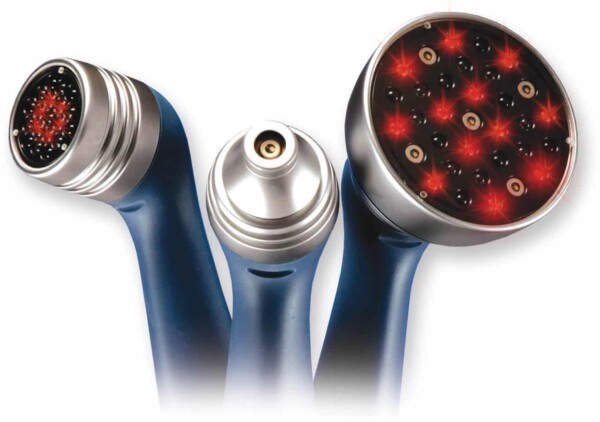
Therapeutic lasers emit red or near-infrared light at low power, so they do not heat or cut tissue. The light penetrates the skin and is absorbed by cells, where it is thought to stimulate energy production in the mitochondria and influence cellular metabolism. The proposed effects include:
- Reduced pain and inflammation.
- Faster tissue repair in tendons, ligaments and muscles.
- Improved local circulation.
- Reduced muscle spasm and stiffness.
Research suggests laser therapy can reduce pain in some conditions, such as neck pain, tendinopathy and knee osteoarthritis, although results depend heavily on using the correct dose, wavelength and treatment technique.
Conditions Treated With Physiotherapy Laser Therapy
- Tendinopathies such as tennis elbow, Achilles and patellar tendinopathy.
- Ligament sprains and muscle strains.
- Neck and lower back pain.
- Osteoarthritis of the knee and hand.
- Plantar fasciitis.
- Wound healing and some skin conditions.
Physiotherapy laser therapy is usually one part of a treatment plan that also includes exercise and manual therapy. For other modalities, see our electrotherapy machine guide and our article on shockwave therapy.
The Role Of Laser Applicators

In physiotherapy laser therapy, the applicator, or probe, is the handpiece that delivers the laser light to the patient. It contains one or more diodes and may combine laser diodes with super-luminous diodes (SLD) or LEDs. Applicators differ in the number of diodes, total power output, wavelength and the area they cover.
Choosing The Right Laser Applicator Size
Selecting the correct applicator helps deliver the right dose to the target tissue. Six factors to consider:
- Treatment area: a single diode applicator suits small, precise targets such as trigger points and finger joints, while cluster applicators cover larger areas such as the lower back or thigh.
- Depth of tissue: deeper structures generally need longer wavelengths and higher power to deliver enough energy.
- Treatment goals: pain relief over a joint may call for a focused probe, while promoting healing in a large muscle group may suit a larger cluster.
- Patient comfort: the size and shape of the applicator should suit the body contours being treated.
- Treatment protocol: manufacturers’ guidelines and published protocols often specify applicator type and dose for each condition.
- Device compatibility: applicators must be compatible with the laser unit, its power output and its treatment modes.
Applicator options include the Single Laser Diode Applicator, 9 Diode Cluster Applicator, 13 Diode Cluster Applicator and 33 Diode Cluster Applicator, which work with compatible Chattanooga Intelect and Vectra systems such as the Vectra Genisys Transport Laser. For mobile use, the MedX Portable Laser 450 mW is a self-contained option.
Laser Safety In The Clinic

Physiotherapy laser therapy is safe when used correctly, but therapeutic lasers can damage the eyes, so the patient, therapist and anyone else in the room should wear wavelength-specific Laser Protective Eyewear. Clinics should also follow the manufacturer’s contraindications, which typically include treating over the eyes, over known or suspected cancer, over the abdomen during pregnancy and over areas of active bleeding.
Frequently Asked Questions
What is physiotherapy laser therapy used for?
It is used to reduce pain and support healing in conditions such as tendinopathy, sprains and strains, neck and back pain, and osteoarthritis.
Is laser therapy painful?
No. Low-level laser therapy does not heat or cut the tissue, and most patients feel little or nothing during treatment.
How many laser therapy sessions are needed?
It varies by condition, but a course of several sessions over a few weeks is common, combined with exercise and other treatment.
What is the difference between a single diode and a cluster applicator?
A single diode treats a small, precise area, while a cluster applicator spreads the light over a larger area.
Laser Therapy Equipment For Clinics
Dunbar Medical supplies physiotherapy, chiropractic and athletic therapy clinics across Canada with laser therapy units, applicators and safety eyewear. Browse our laser therapy range or contact our team.
Conclusion
Physiotherapy laser therapy offers a non-invasive way to help manage pain and support tissue healing. Choosing an applicator that matches the size and depth of the treatment area, and following safe practice, helps clinics get the most from the modality.