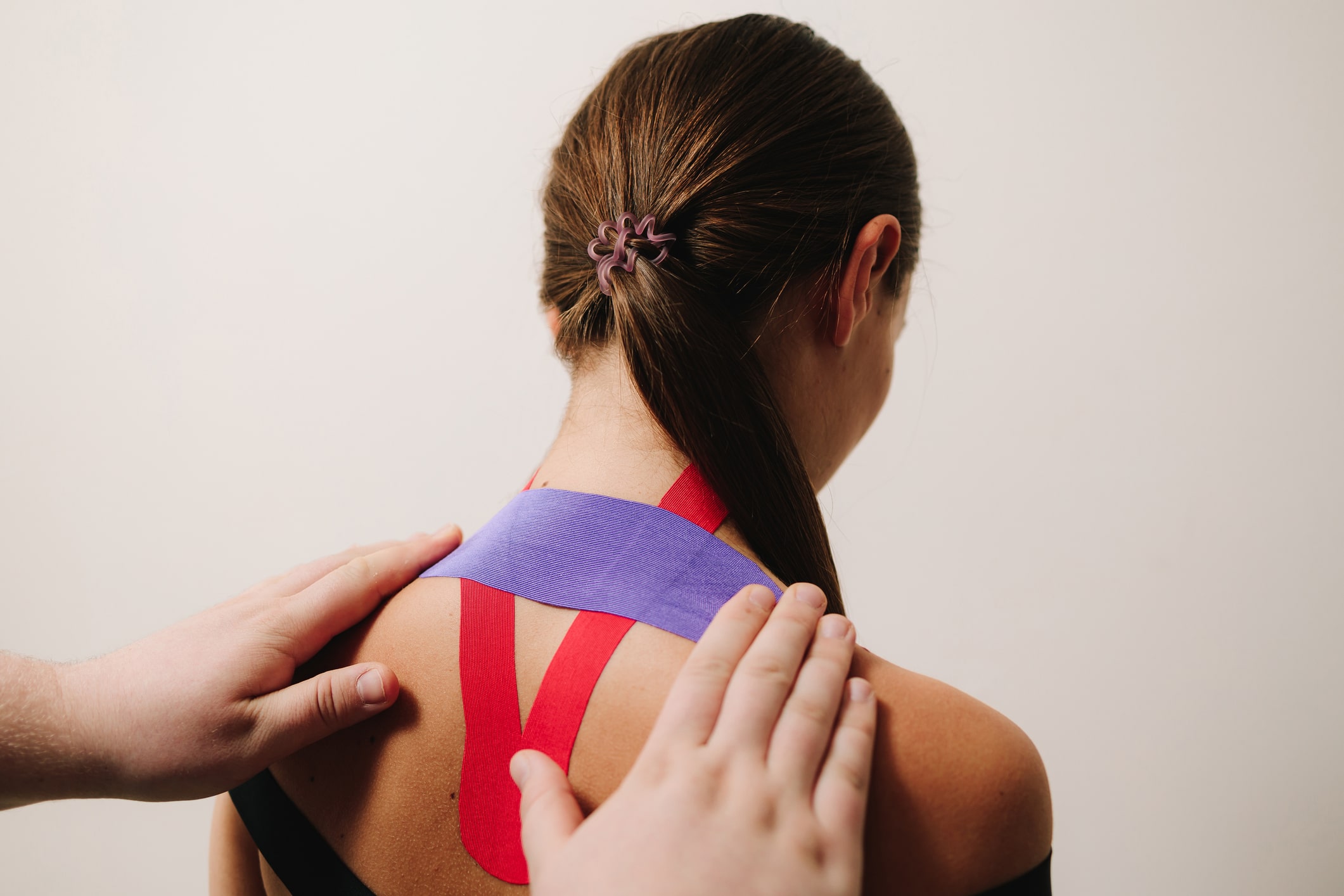
4 Powerful Physiotherapy Technology Trends Shaping The Profession today
Keeping up with the times is an essential part of any profession, but it’s particularly important for physiotherapists. As we learn more about how our bodies work every day and the new technologies that are being developed to make us healthier, it’s crucial to always be studying ways to integrate this new information with new developments and trends. Being on the cutting edge will only help patients be healthier by not only improving the treatment they receive, but also improving communication between physiotherapists and the patient. So, without further ado, here are four physiotherapy technology trends shaping the profession today.
Social Media: An Evolving Tool for Connection and Learning
Social media isn’t exactly a new technology trend, but the way it can help physiotherapists is always changing, evolving and being refined. From how physiotherapists market themselves and their practices to the way they interact with patients, colleagues and new research, social media is creating more and more opportunities each and every day for physiotherapists.
Not only can platforms like Facebook, Twitter and Instagram help physiotherapists connect with current and new patients, but it can help them relay important information, from exercises to changes in scheduling, quickly and at any time of day. On the professional development side of the industry, social media platforms, like LinkedIn groups, Twitter chats or Facebook Live talks can be utilized by physiotherapists to stay up to date on the latest research and methods being shared by fellow physiotherapists, making it easier to access information and pass it on in their practices.
For clinics looking to build their reputation and reach, a thoughtful social media presence has become a practical necessity rather than a nice-to-have. The key is consistency and clarity: sharing useful, accurate information that supports patients between visits and positions the physiotherapist as a trusted resource in their community.
Mobile Apps: Supporting Patients Between Appointments

Along the same line as social media, mobile apps have been popular for the better part of the last half decade, but as they become easier and cheaper to develop and share, they are useful physiotherapy technology trends for practitioners looking to give their businesses a boost.
Mobile apps can help patients connect with physiotherapists easier and between scheduled appointments, which makes following a home injury recovery program a lot simpler. Mobile apps can ensure patients know exactly what exercises to perform at home, allow physiotherapists to change exercise prescriptions, make it easier to book appointments or make it easier for patients to share information about the recovery process. All of this makes it easier for the right information to reach both the patient and the physiotherapist, which means a better, more personalized experience and a quicker road to health.
Mobile apps are also playing an increasing role in sensor technology and fitness tracking, acting as the bridge between the data a device collects and the clinician who can act on it. For physiotherapists, this means home exercise programs can become more accountable and more adaptable — prescriptions can be updated in real time based on what patients are actually doing, not just what they report at their next appointment.
Sensor Technology and Fitness Tracking Devices
Another of the physiotherapy technology trends shaping the profession today is sensor technology. This is the technical term for the hardware that allows wearable fitness trackers to measure a person’s activity levels and general health. These trackers are becoming increasingly popular and complex, which is signalling great things for the physiotherapy profession.
Sensor technology can give physiotherapists a clearer picture of what their patients are accomplishing with their home programs and more knowledge about a patient’s general lifestyle, such as what sort of exercise they are getting, what their sleep patterns are like and how sedentary or active their daily routine is. Just like with mobile apps, this data can be logged, tracked and analyzed, which gives physiotherapists a chance to tailor programs and prescriptions so that they work more effectively for each individual patient. Receiving this amount of specialized data and having it shared across the profession could also lead to big breakthroughs in treatment in the profession.
The opportunity here is personalization at scale. Rather than relying solely on subjective reports and in-clinic observations, physiotherapists can ground their clinical decisions in objective, real-world data — and adjust programs before small setbacks become larger ones.
Bionics: Restoring Movement in New Ways
Using robotics and mechanical devices to help the body move or recover seems very futuristic, but with recent advances in bionics and its continued growth among mainstream physiotherapy, it’s becoming one of the key physiotherapy technology trends shaping the profession today.
With the arrival of bionics, patients now have opportunities never imagined before. Patients afflicted with illnesses like acute arthritis and hip dysplasia can use mechanical devices to regain movement. The early results of using bionics have shown a drop in the frequency of recurring injuries and a boost in the quality of life for patients. While there is still a ways to go in building bionics into the standard for physiotherapy treatment, it is well on its way to achieving that lofty status.
Bionics represents the most dramatic shift among these trends — a move from supporting movement to actively assisting and restoring it. As the technology matures and becomes more accessible, physiotherapists will play a central role in selecting, fitting, and integrating these devices into comprehensive treatment plans.
Bringing these Physiotherapy Technology Trends Together
What connects these four physiotherapy technology trends is a common thread: better information, delivered more consistently, leading to more personalized care. Social media improves communication and professional learning. Mobile apps extend the clinic into the patient’s daily life. Sensor technology and fitness tracking provide objective data about what is actually happening between appointments. Bionics push the boundaries of what rehabilitation can achieve.
For practitioners, staying current with these physiotherapy technology trends isn’t about chasing novelty — it’s about giving patients the best possible chance at a full and speedy recovery. Clinics that embrace these tools thoughtfully will be better positioned to improve outcomes, strengthen patient relationships, and stay competitive in an evolving healthcare landscape.
About Dunbar Medical
Dunbar Medical is a premier supplier of sports medicine and home health care products to pharmacies, physiotherapists and other clinics, and sports teams throughout Canada. The company distributes the leading brands in sports medicine through its national sales team and is known for its expertise in the field as well as its exceptionally high level of customer service and support.
As physiotherapy technology trends continue to evolve, Dunbar Medical remains committed to supporting physiotherapists with the products, expertise, and service they need to deliver excellent care.
To learn more about the range of products carried by Dunbar Medical, please call 1-800-265-7126, visit https://dunbarmedical.com or email sales@dunbarmedical.com.