


Pneumatic Therapy Stool
By: Chattanooga
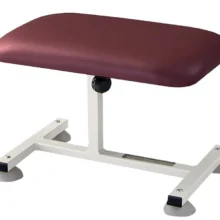
This pneumatic therapyl stool is mounted on casters and will keep your staff comfortably seated during a long treatment session.
Pneumatic therapy stool mounted on casters to keep your staff comfortably seated during a long treatment session. The seat is made from 3″ upholstered foam and can swivel to help the therapist get the optimal position for treatment. The casters allow the stool to be moved with minimal effort from place to place in your clinic so you can always have it where it’s needed most.
In addition, a pneumatic gas spring allows the seat to be raised or lowered to suit the height of the user.
The therapy stool is available either with or with back and in black, burgundy, imperial blue and dove gray .
Adavantages of a Pneumatic Therapy Stool
A pneumatic therapy stool is a versatile piece of equipment commonly used in healthcare settings for various clinical and therapeutic applications. It offers several advantages that make it valuable in providing care and comfort to both healthcare professionals and patients. Here are the key advantages of a pneumatic therapy stool in healthcare:
- Height Adjustment: Pneumatic therapy stools are equipped with a pneumatic or gas-lift mechanism that allows for easy height adjustment. Healthcare professionals can quickly raise or lower the stool to achieve the optimal working height, ensuring proper ergonomics during patient examinations, treatments, or procedures. This adjustability minimizes strain on the clinician’s back and arms, reducing the risk of musculoskeletal injuries.
- Flexibility and Mobility: These stools are typically mounted on wheels or casters, enabling them to move smoothly across different floor surfaces. This mobility is particularly beneficial in clinical settings where healthcare providers need to move quickly between patients or various workstations. It enhances efficiency and saves time, ultimately improving patient care.
- Patient Comfort: Pneumatic therapy stools often feature padded seats that provide comfort for patients during examinations or treatments. The cushioned seating reduces discomfort and anxiety, promoting a more positive patient experience. Additionally, the ability to adjust the stool’s height allows clinicians to tailor the stool’s position for optimal patient comfort.
- Easy Cleaning and Maintenance: Many pneumatic therapy stools are designed with materials that are easy to clean and disinfect. This is crucial in healthcare settings where infection control is a top priority. The simple and smooth surfaces of the stool make it easy to maintain proper hygiene standards.
- Weight Capacity: Pneumatic therapy stools are typically designed to support a significant amount of weight, ensuring they can accommodate patients of varying sizes comfortably and safely. This feature is especially important in healthcare environments where patient weight can vary widely.
- Space-Saving Design: The compact design of pneumatic therapy stools makes them space-efficient. They can be easily stored when not in use, making them ideal for clinics and healthcare facilities with limited space.
- Versatility: These stools are versatile and can be used in a variety of clinical settings, including hospitals, clinics, physical therapy offices, and dental practices. They are suitable for use during physical examinations, wound care, minor procedures, and other medical interventions.
- Durability: Pneumatic therapy stools are built to withstand the demands of a healthcare environment. They are constructed with robust materials and components, ensuring their longevity even with frequent use.
- Improved Accessibility: The height-adjustable feature of these stools improves accessibility for patients with mobility challenges, allowing them to sit at a comfortable and accessible height during consultations or treatments.
- Professional Appearance: Pneumatic therapy stools contribute to the professional appearance of healthcare settings. They convey a sense of organization and efficiency, which can enhance patient confidence in the quality of care provided.
In summary, pneumatic therapy stools offer numerous advantages in healthcare settings, including enhanced ergonomics for clinicians, improved patient comfort, mobility, infection control, and versatility. These stools are valuable tools that contribute to the overall efficiency and quality of patient care, making them an essential piece of equipment in healthcare facilities.
Q & A

Table of Contents
Frequently Asked Questions
How does the pneumatic height adjustment benefit both the therapist and the treatment process?
The pneumatic gas spring is a cornerstone of this pneumatic therapy stool design, offering effortless, single-handed height adjustment. This allows therapists of any stature to instantly achieve an optimal, ergonomic working height relative to the treatment surface or patient. By maintaining proper spinal alignment and reducing reach, it significantly minimizes physical strain and fatigue during long sessions, directly supporting clinician health and career longevity. Furthermore, this precise adjustability enhances treatment quality; a therapist at the correct height can apply techniques with better biomechanics, control, and patient interaction, leading to more effective outcomes.
Is this pneumatic therapy stool stable and mobile enough for a dynamic clinical environment?
This stool is expertly engineered for both stability and effortless mobility. The sturdy, caster-mounted base provides smooth, quiet movement across the clinic floor, enabling the therapist to transition between patients or equipment without standing, thereby maintaining workflow efficiency and reducing physical exertion. When positioned, the casters and weighted base ensure secure stabilization during treatment. The inclusion of a swivel seat further complements this design, allowing for micro-adjustments in positioning—such as reaching for tools or angling toward a patient—without compromising the stool’s overall stability or requiring repositioning.
What options are available, and how do I choose between a backrest model or without?
This pneumatic therapy stool is offered in two configurations: with or without a backrest. The backrest model provides essential lumbar support, ideal for therapists who spend extended periods in a seated position or who prefer postural reinforcement during intricate, focused work. The backless (or “gymnast” style) version offers unrestricted upper body movement and is often preferred for techniques requiring greater anterior reach or full torso rotation. Both models share all core features: pneumatic height adjustment, swivel, mobility, and the same upholstered comfort. Your choice ultimately depends on personal ergonomic preference and the specific physical demands of your treatment style.


Reviews
There are no reviews yet