

RW Consumer Products Hydrogen Peroxide
RW Consumer Products Hydrogen Peroxide is an effective anti infection and cleansing agent for wounds, cuts and abrasions.
RW Consumer Products Hydrogen Peroxide is an effective anti infection and cleansing agent for wounds, cuts and abrasions. Contains 3% w/v Hydrogen Peroxide. Available in either a 225 mL or 500 mL bottle.
Use full Strength as required for open sores, cuts, wounds, abrasions and insect bites. Store in a cool and dry place.
Q & A
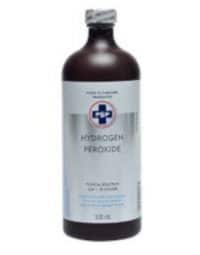
Table of Contents
Frequently Asked Questions
Is RW Consumer Products Hydrogen Peroxide safe to use on all types of wounds?
While RW Consumer Products Hydrogen Peroxide (3% w/v) has long been recognised as an effective cleansing agent for minor wounds, cuts, and abrasions, its use requires some caution. The solution works by releasing oxygen upon contact with tissue, creating a foaming action that helps remove debris, dirt, and dead cells from the wound surface. This mechanical cleansing can be beneficial for initial wound irrigation.
However, current clinical guidance suggests that hydrogen peroxide may also damage healthy granulation tissue and newly forming skin cells if used repeatedly or on deep wounds. For this reason, it is generally recommended for one-time, initial cleaning of a minor, superficial wound—particularly when visible debris is present. For ongoing wound care, mild soap and water or sterile saline are often preferred to avoid irritating healing tissue.
You should not use hydrogen peroxide on deep puncture wounds, large burns, or animal bites without consulting a healthcare professional. Additionally, individuals with sensitive skin may experience mild redness or stinging. As with any antiseptic, discontinue use if significant irritation occurs. Always read the product label carefully and consult your doctor or pharmacist if you are uncertain whether hydrogen peroxide is appropriate for your specific injury.
Can I use this hydrogen peroxide for purposes other than wound cleaning?
Although RW Consumer Products Hydrogen Peroxide is primarily marketed as an antiseptic for minor wounds, cuts, and abrasions, many users are curious about its broader applications. It is important to distinguish between approved and unapproved uses. Medically, this 3% solution is intended for external, first-aid cleansing only. It should never be ingested, used in the eyes, or injected, as doing so can cause serious internal injury or even death.
Outside of wound care, some individuals use diluted hydrogen peroxide as a mouth rinse for temporary oral hygiene, but this should only be done under professional guidance and with extreme caution, as swallowing even small amounts can be harmful. It is also not recommended for use as an acne treatment or facial cleanser, as it can over-dry and irritate sensitive skin.
For household purposes, a 3% hydrogen peroxide solution can sometimes be used as a mild disinfectant on non-porous surfaces like countertops or cutting boards. However, you must ensure the product is clearly labelled and stored separately from personal care items to avoid confusion. Ultimately, while alternative uses exist, you should prioritise the manufacturer’s intended purpose—wound cleansing—and consult a medical professional before repurposing this product for any unlabelled application.
How should I store RW Consumer Products Hydrogen Peroxide, and how long does it last once opened?
Proper storage of RW Consumer Products Hydrogen Peroxide is essential to maintain its stability and effectiveness as an antiseptic. This product should be kept in its original bottle, tightly closed, and stored upright in a cool, dry place away from direct sunlight and heat sources. Exposure to light, heat, or air accelerates the breakdown of hydrogen peroxide into water and oxygen, which significantly reduces its antimicrobial power. Do not transfer the solution into a clear or unlabelled container, as this increases the risk of accidental misuse and product degradation.
Once opened, the shelf life of a 3% hydrogen peroxide solution is typically between one and six months, depending on storage conditions. A simple way to test its potency is to pour a small amount into a sink or onto a surface: if it does not bubble vigorously upon contact, the solution has likely decomposed and will be less effective at cleansing wounds. Discard any solution that fails to produce visible effervescence.
You should never use expired or degraded hydrogen peroxide on broken skin, as it may fail to kill bacteria and could even introduce contaminants. When disposing of old or unused solution, do not pour large quantities down the drain unless diluted with water; instead, consult your local waste disposal guidelines. For best results, write the date of opening on the bottle and replace the product regularly.



Reviews
There are no reviews yet