

Economy Memory Foam
By: Medco
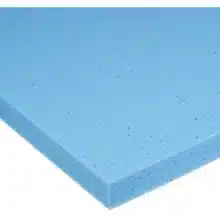
Medco Memory Foam Sheets are crafted from a high-quality temper foam material known for its exceptional shock-absorbing properties.
Medco Economy Memory Foam is an essential tool this season for every coach and trainer seeking top-notch protection and comfort for their athletes. Crafted from high-quality temper foam, this material offers superior cushioning by conforming to the shape of any wrapped injury, thanks to its heat-sensitive, slow-recovery properties. This advanced foam technology ensures that the padding adapts perfectly to the body, providing a customized fit that maximizes protection and comfort. Ideal for both professional sports teams and personal use, Medco Memory Foam is perfect for preventing further injury and aiding in recovery.
Q & A

Table of Contents
Frequently Asked Questions
How does memory foam actually work to protect against injury?
Memory foam, or temper foam, is a viscoelastic material engineered to absorb and redistribute force. Its “slow-recovery” property means it compresses gradually under body heat and weight, conforming precisely to the unique contours of a joint, limb, or injury site. This custom molding creates a protective cradle that disperses impact pressure away from the most vulnerable point.
This shock-absorption is critical for injury prevention and management. By cushioning the area, it reduces the peak force transferred to bones and soft tissues during activity or an accidental impact. Furthermore, the foam’s conforming action helps stabilize the area by limiting excessive or erratic movement that could exacerbate an injury. This combination of even pressure distribution, impact damping, and gentle stabilization makes it an essential tool for protecting athletes from both acute impacts and repetitive stress injuries.
Is memory foam suitable for use during active sports, or is it just for recovery?
Memory foam is highly effective for both active use and recovery, but its application differs. For active sports, it is primarily used in protective gear like padded inserts for helmets, shin guards, or braces. Here, its key role is to absorb and dissipate high-impact forces from collisions or falls, helping to prevent acute injuries. The foam must be specifically designed to be breathable and integrated into a supportive structure.
For recovery and rehabilitation, memory foam is often the primary material in products like specialized braces, orthotics, or recovery pillows. In this context, its conforming nature provides gentle, even compression to reduce swelling, minimize pressure points for comfort during immobility, and promote blood flow through therapeutic warmth. The same core technology of customized cushioning is thus applied differently—for dynamic protection during play and for passive, therapeutic support during healing.
How do I clean and maintain memory foam sports equipment?
Proper care is essential to preserve the foam’s integrity and hygiene. Always follow the manufacturer’s instructions first. Generally, memory foam should never be submerged in water or machine-washed, as it is difficult to dry thoroughly, which can lead to mold and breakdown of the material’s cell structure.
For most braces and pads, spot cleaning is recommended. Use a mild detergent diluted with cool water and a soft cloth to gently dab the soiled area. Avoid harsh chemicals or solvents. To disinfect and eliminate odors, lightly spray with a mixture of white vinegar and water, then allow it to air dry completely away from direct heat or sunlight. For perspiration, allow the equipment to dry fully after each use; using moisture-wicking liner sleeves can help protect the foam and extend its lifespan.

Reviews
There are no reviews yet