The Importance of Blood Circulation in Sports Medicine
Efficient circulation is essential for athletes due to its role in several key areas:
Oxygen and Nutrient Delivery
Adequate blood flow ensures the delivery of oxygen and nutrients to active muscles, promoting optimal performance, endurance, and recovery during physical activity.
Waste Product Removal
Efficient circulation helps remove metabolic waste products, such as lactic acid, from working muscles. This helps reduce muscle fatigue, improve recovery, and prevent the onset of muscle soreness.
Thermoregulation
Blood circulation plays a vital role in maintaining body temperature during exercise. Proper circulation aids in dissipating heat generated by the body, preventing overheating and heat-related illnesses.
Tissue Healing and Repair
Good circulation is necessary for delivering essential nutrients and immune cells to injured tissues, facilitating the healing and repair process.
Common Blood Circulation Problems in Sports Medicine
Several circulation problems can affect athletes, including:
Peripheral Arterial Disease (PAD)
PAD occurs when the blood vessels that supply the extremities become narrowed or blocked due to atherosclerosis. Reduced blood flow to the muscles can lead to pain, cramping, and impaired exercise capacity.
Deep Vein Thrombosis (DVT)
DVT involves the formation of blood clots in deep veins, commonly in the legs. Athletes who spend long periods of time in sedentary positions, such as during travel, may be at increased risk. DVT can cause pain, swelling, and, in severe cases, life-threatening complications if a clot dislodges and travels to the lungs.
Raynaud's Phenomenon
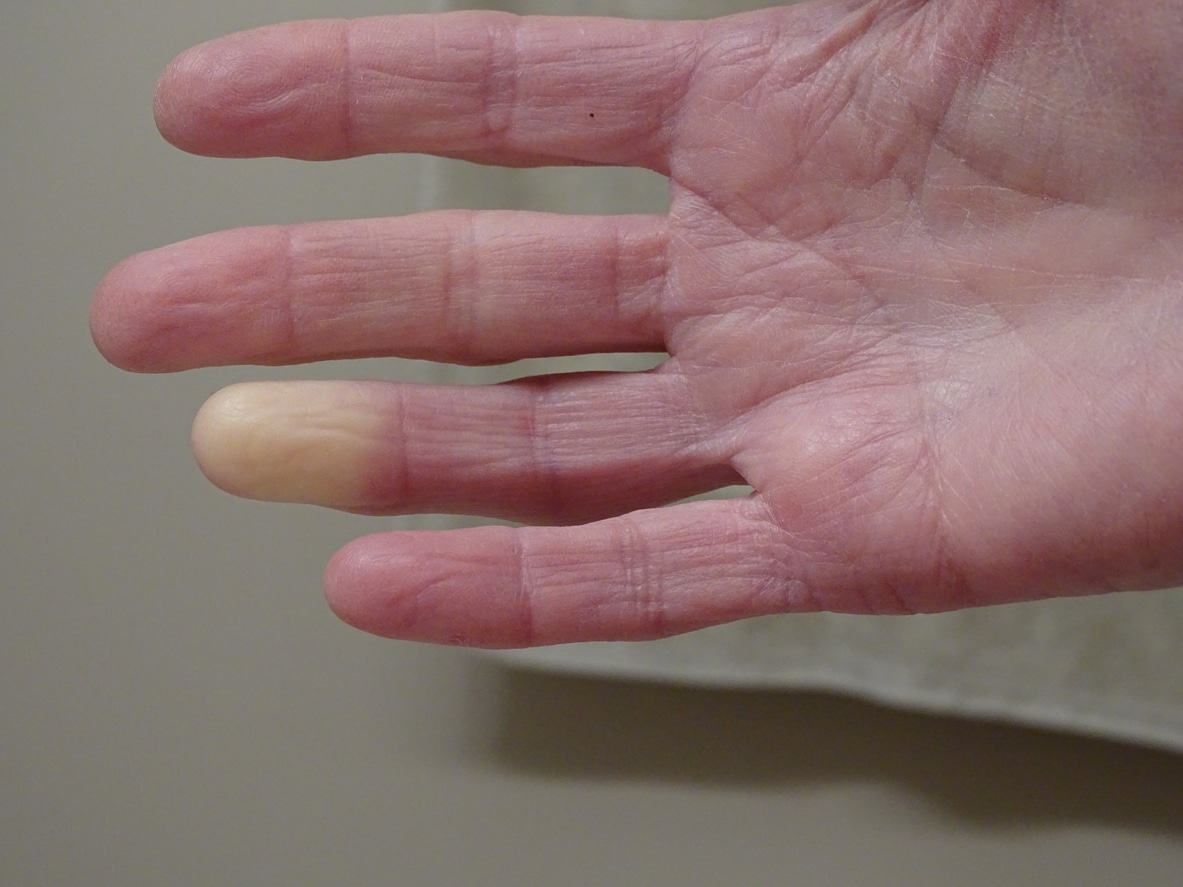
Raynaud's is a condition characterized by episodes of reduced blood flow to the fingers and toes, resulting in numbness, coldness, color changes, and pain. Cold weather or exposure to cold temperatures can trigger symptoms.
Varicose Veins
Varicose veins are enlarged, twisted veins that commonly occur in the legs. They can result from weakened vein valves, leading to poor circulation, discomfort, and swelling.
Signs and Symptoms of Blood Circulation Problems
Athletes should be aware of the following signs and symptoms that may indicate circulation problems:
Persistent Muscle Cramps
Frequent or recurring muscle cramps during or after exercise may suggest inadequate blood flow to the muscles.
Cold Extremities
Persistent cold hands or feet, even in warm environments, may indicate reduced blood flow to the extremities.
Numbness or Tingling
Sensations of numbness, tingling, or a "pins and needles" feeling in the hands, feet, or limbs can be a sign of compromised circulation.
Slow Healing and Delayed Recovery
Difficulty in healing from injuries, prolonged recovery time, or persistent fatigue after exercise may indicate poor circulation impairing tissue repair and nutrient delivery.
Management and Treatment
The management of circulation problems in sports medicine typically involves the following strategies.
Regular Exercise
Engaging in regular aerobic exercise improves cardiovascular health, enhances blood flow, and strengthens the circulatory system.
Warm-Up and Cool-Down
Proper warm-up and cool-down routines before and after exercise help promote blood flow and prevent blood pooling.
Compression Garments
Athletes may benefit from wearing compression socks or stockings, which provide graduated pressure to improve blood flow and reduce swelling.
Hydration and Nutrition
Maintaining proper hydration and a well-balanced diet rich in nutrients supports optimal circulation and overall vascular health.
Medications and Medical Interventions
Depending on the specific condition and severity, medications, surgical interventions, or medical procedures may be recommended by healthcare professionals to manage circulation problems.
Conclusion
Circulation problems can significantly impact an athlete's performance, recovery, and overall well-being in the realm of sports medicine. Adequate circulation is vital for delivering oxygen, nutrients, and waste removal during physical activity.
Recognizing the signs and symptoms of circulation problems and implementing appropriate management strategies, including regular exercise, warm-up/cool-down routines, compression garments, and proper hydration and nutrition, can optimize circulatory health.
Athletes should consult with healthcare professionals to diagnose and treat circulation problems promptly, enabling them to achieve peak performance and maintain long-term cardiovascular health.