Causes of Outside Elbow Pain:
Causes of this type of pain may be one or more of the following:
Repetitive or Overuse Activities
Engaging in repetitive motions of the forearm and wrist, such as those required in tennis, golf, painting, or manual labor, can strain the tendons and lead to outside elbow pain.
Poor Technique or Form
Incorrect technique or improper equipment use during sports or activities can put excessive stress on the tendons, contributing to elbow pain.
Age and Degeneration
As we age, the tendons around the elbow may gradually degenerate, becoming weaker and more susceptible to injury and pain.
Muscle Imbalances
Imbalances in the forearm muscles, particularly a weakness in the wrist extensors or tightness in the wrist flexors, can contribute to outside elbow pain.
Diagnosing the Cause of Outside Elbow Pain
If you experience persistent outside elbow pain, it is advisable to consult a healthcare professional for an accurate diagnosis. The following methods are commonly used to diagnose lateral epicondylitis:
Physical Examination
The healthcare professional will assess the affected elbow, checking for tenderness, pain, and range of motion. They may also perform specific tests to assess grip strength and reproduce the pain.
Medical History
Providing information about your activities, hobbies, and any previous injuries can help the healthcare professional identify potential causes of the pain.
Imaging Tests
In some cases, imaging tests like X-rays or MRI scans may be ordered to rule out other conditions and evaluate the extent of the injury or degeneration.
Treatment Options for Outside Elbow Pain
Rest and Activity Modification
Avoiding or modifying activities that aggravate the pain is essential for the healing process. Rest allows the tendons to recover and reduces further strain on the affected area.
Pain Management
Over-the-counter nonsteroidal anti-inflammatory drugs (NSAIDs) may help alleviate pain and reduce inflammation. Topical creams or gels may also provide temporary relief.
Physical Therapy
A physical therapist can develop a customized exercise program to strengthen the forearm muscles, improve flexibility, and correct muscle imbalances. They may also utilize techniques like manual therapy and ultrasound to promote healing.
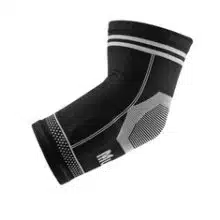
Brace or Splint
Wearing a brace or splint can help support the elbow and reduce strain on the tendons during daily activities or sports.
Corticosteroid Injections
In some cases, corticosteroid injections may be recommended to reduce inflammation and provide temporary pain relief. However, these injections are typically used sparingly due to potential side effects.
Extracorporeal Shockwave Therapy (ESWT)
ESWT is a non-invasive procedure that uses sound waves to stimulate healing in the affected tendons. It has shown promising results in managing chronic outside elbow pain.
Surgery
In rare cases where conservative treatments fail to provide relief, surgical intervention may be considered. The procedure involves removing damaged tendon tissue or repairing any tears.
Prevention and Recovery
To prevent outside elbow pain or reduce the risk of recurrence, consider the following:
- Practice proper technique and form during sports or activities.
- Gradually increase intensity and duration of activities to allow the tendons to adapt.
- Incorporate regular strength and flexibility exercises for the forearm muscles.
- Warm up adequately before engaging in physical activities.
- Use ergonomic equipment and tools that minimize stress on the elbow.
Conclusion
Outside elbow pain, or lateral epicondylitis, can be a debilitating condition affecting daily activities and sports performance. Understanding the causes, seeking an accurate diagnosis, and following a comprehensive treatment plan can help manage and overcome this condition.
Remember to consult with a healthcare professional to develop an individualized approach to address your specific needs and promote optimal recovery.