Causes of Inner Elbow Pain
Inner elbow pain can arise from various factors, including:
Golfer's Elbow (Medial Epicondylitis)
Golfer's elbow is a condition characterized by inflammation and pain on the inner side of the elbow. It is caused by repetitive stress or overuse of the forearm muscles, commonly associated with activities such as golf, throwing sports, or gripping activities.
Ulnar Collateral Ligament (UCL) Injury
UCL injury, also known as "pitcher's elbow," is commonly seen in throwing athletes. It occurs when the UCL, a ligament on the inner side of the elbow, is strained or torn due to repetitive throwing motions.
Flexor Tendinitis
Flexor tendinitis involves inflammation or irritation of the tendons on the inner side of the elbow, primarily affecting the wrist flexor tendons. It can occur due to repetitive motions or overuse.
Ulnar Nerve Entrapment
Ulnar nerve entrapment, also called cubital tunnel syndrome, occurs when the ulnar nerve is compressed or irritated at the inner side of the elbow. It can cause pain, tingling, and numbness in the inner forearm and hand.
Diagnosis of Inner Elbow Pain
Accurate diagnosis of inner elbow pain is essential to determine the underlying cause and guide appropriate treatment. The diagnostic process may involve:
Medical History and Physical Examination
The healthcare provider will assess the individual's medical history, including details of the pain onset, mechanism of injury, and aggravating factors. A physical examination of the elbow will be conducted to evaluate the range of motion, stability, swelling, and tenderness.
Imaging Tests
X-rays may be ordered to evaluate the bones and rule out fractures. Magnetic resonance imaging (MRI) or ultrasound may be used to assess soft tissue structures, such as ligaments, tendons, and nerves.
Electromyography (EMG) or Nerve Conduction Studies
These tests may be performed if nerve involvement is suspected to evaluate nerve function and identify any potential nerve-related issues.
Treatment of Inner Elbow Pain
The treatment approach for inner elbow pain depends on the underlying cause and severity of the condition. Treatment options may include:
Rest and Activity Modification
Resting the affected arm and avoiding activities that worsen the pain can help alleviate symptoms and promote healing.
Ice and Heat Therapy
Applying ice packs or cold compresses in the early stages can help reduce pain, inflammation, and swelling. Heat therapy, such as warm compresses or heat packs, may be beneficial for chronic conditions or muscle relaxation.
Medications
Over-the-counter nonsteroidal anti-inflammatory drugs (NSAIDs) or prescribed pain medications may be recommended to alleviate pain and reduce inflammation.
Physical Therapy
A physical therapist may design a customized rehabilitation program that includes exercises to improve range of motion, strengthen the muscles around the elbow, and enhance overall forearm and wrist flexibility.
Brace or Splint
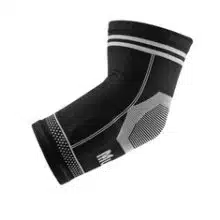
Wearing a brace or splint that provides support to the inner elbow can help reduce strain, alleviate pain, and promote healing.
Injections
Corticosteroid injections may be administered to reduce inflammation and provide temporary pain relief. Platelet-rich plasma (PRP) injections may also be considered for certain conditions to promote healing.
Surgical Intervention
In severe cases or when conservative treatments fail to provide relief, surgical intervention may be necessary. Surgical options can include UCL reconstruction, tendon repair, or nerve decompression, depending on the specific condition and extent of the injury.
Prevention of Inner Elbow Pain
Preventing inner elbow pain involves implementing certain measures, such as:
Proper Technique and Form
Athletes should receive proper training and instruction on correct technique, body mechanics, and proper warm-up and cool-down exercises.
Gradual Progression
Gradually increasing the intensity, duration, or frequency of activities involving the inner elbow can help the body adapt and reduce the risk of overuse injuries.
Strengthening and Conditioning
Regular exercises that focus on strengthening the forearm muscles and improving flexibility can enhance stability, reduce stress on the inner elbow, and prevent injury.
Conclusion
Inner elbow pain can be debilitating and hinder an individual's ability to perform daily activities and participate in sports. Accurate diagnosis and appropriate treatment strategies are crucial for effectively managing inner elbow pain.
Seeking professional medical advice from sports medicine specialists, orthopedic surgeons, or physical therapists is essential for a comprehensive evaluation, accurate diagnosis, and tailored treatment plan.
Implementing preventive measures, proper technique, and conditioning exercises can help minimize the risk of inner elbow pain. With timely intervention and adherence to treatment plans, individuals can alleviate pain, restore function, and safely return to their activities with improved inner elbow health.