Kinesiology RestoreTape
DynaPro RestoreTape is a latex-free, hypoallergenic cotton kinesiology tape roll, available as a 5 m roll or a 31.5 m bulk roll for busy clinics.
- Water resistant; wearable for several days
- Beige, black, blue or red
- 5 cm wide

Front of ankle pain is a common complaint among athletes and individuals engaged in physical activities. It can significantly impact mobility, performance, and overall quality of life.
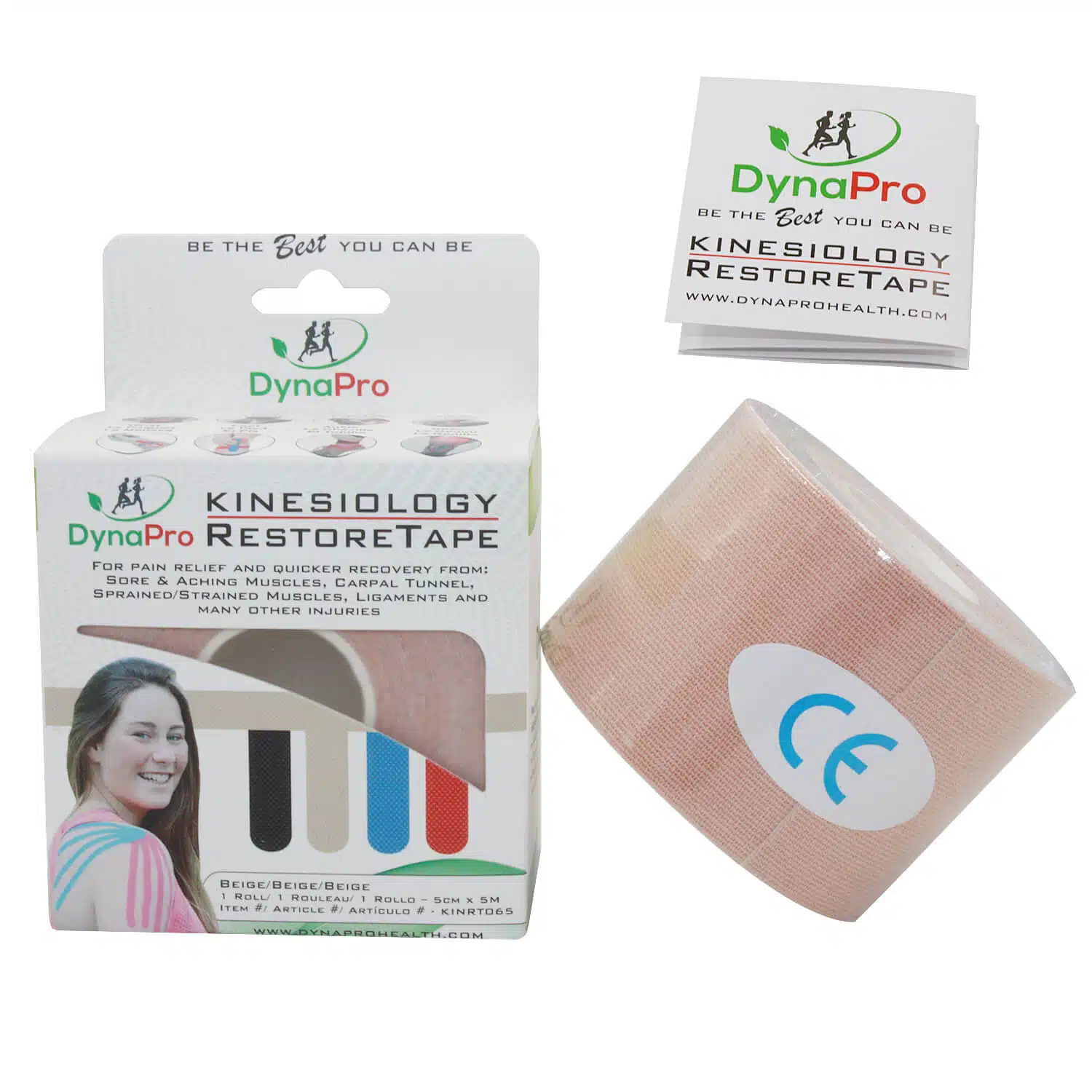
DynaPro RestoreTape is a latex-free, hypoallergenic cotton kinesiology tape roll, available as a 5 m roll or a 31.5 m bulk roll for busy clinics.

The DynaPro Single Use Instant Cold Pack will help reduce pain, swelling and bleeding in the immediate aftermath of suffering an acute injury.

Understanding the causes, recognizing the symptoms, and implementing appropriate diagnosis and treatment strategies are essential for effectively managing front of ankle pain.
This article aims to provide insights into the causes, diagnosis, and treatment options for this condition.
Front of ankle pain can be attributed to various factors, including:
One of the most common causes of front of ankle pain is an ankle sprain. This occurs when the ligaments supporting the ankle joint are stretched or torn, often due to sudden twisting or rolling of the foot.
Anterior impingement syndrome occurs when there is compression or irritation of the structures in the front of the ankle joint, such as the bony prominences or soft tissues. This condition is commonly seen in athletes who perform repetitive activities that involve forceful dorsiflexion, such as running or jumping.
Tendinitis refers to inflammation or irritation of the tendons in the front of the ankle, such as the anterior tibialis tendon or the extensor tendons. It can result from overuse, repetitive motion, or excessive strain on the tendons.
A stress fracture is a small crack or fracture in the bone that typically occurs due to repetitive stress or overuse. Stress fractures can develop in the bones of the foot or ankle, leading to front of ankle pain.
Various forms of arthritis, such as osteoarthritis or rheumatoid arthritis, can cause inflammation and pain in the ankle joint, including the front of the ankle.
Accurate diagnosis of the cause of front of ankle pain is crucial for effective treatment. The diagnostic process may involve:
The healthcare provider will assess the individual's medical history, including details of the pain onset, mechanism of injury, and aggravating factors. A physical examination will be conducted to evaluate the location of pain, range of motion, stability, and any signs of swelling or tenderness.
X-rays may be ordered to evaluate the bones and rule out fractures. In some cases, magnetic resonance imaging (MRI) or ultrasound may be recommended to visualize the soft tissues and assess for ligament tears, tendinitis, or other structural abnormalities.
In some situations, diagnostic injections may be performed to help identify the source of pain. Anesthetic or anti-inflammatory medication may be injected into specific structures, such as a joint or tendon sheath, to determine if pain relief is achieved.
The treatment approach for front of ankle pain depends on the underlying cause and severity of the condition. Treatment options may include:
Resting the affected ankle and avoiding activities that exacerbate pain can promote healing and reduce further injury. Immobilization with a brace, cast, or walking boot may be necessary in more severe cases.
Applying ice packs or cold compresses in the early stages can help reduce pain, inflammation, and swelling. Heat therapy may be beneficial for chronic conditions or to relax the muscles.
Over-the-counter nonsteroidal anti-inflammatory drugs (NSAIDs) or prescribed pain medications may be recommended to alleviate pain and reduce inflammation.
A physical therapist can design a customized rehabilitation program that includes exercises to improve ankle strength, flexibility, and stability. They may employ techniques such as manual therapy, stretching, strengthening exercises, and balance training to promote healing and prevent further injury.
Depending on the specific condition, wearing a brace, ankle support, or custom orthotics may be beneficial to provide stability, support, and pain relief.
Corticosteroid injections may be administered to reduce inflammation and alleviate symptoms in cases of severe pain or persistent inflammation. Platelet-rich plasma (PRP) injections may also be considered for certain conditions to promote healing.
In cases where conservative treatments fail to provide relief or when there is significant structural damage, surgical intervention may be necessary. Surgical options can include ligament repair, tendon debridement, or joint arthroscopy, depending on the specific condition and extent of the injury.
Preventing front of ankle pain in sports and physical activities can be aided by the following measures:
Athletes should receive proper training and instruction on correct technique, foot placement, and body mechanics to minimize excessive stress or strain on the front of the ankle.
Regular ankle conditioning exercises, such as strengthening exercises and proprioceptive training, can enhance stability and reduce the risk of injuries.
Wearing proper footwear that provides adequate support, cushioning, and traction can help protect the ankle joint and minimize the risk of injuries.
Gradually increasing the intensity, duration, or frequency of physical activities allows the body to adapt and reduces the risk of overuse injuries.
Front of ankle pain can be caused by various conditions, including ankle sprains, tendinitis, anterior impingement syndrome, stress fractures, or arthritis. Accurate diagnosis and timely treatment are essential for effectively managing front of ankle pain and restoring optimal function. Seeking professional medical advice from a sports medicine specialist, orthopedic surgeon, or physical therapist is crucial for a comprehensive evaluation, accurate diagnosis, and tailored treatment plan.
By addressing front of ankle pain promptly and implementing appropriate interventions, athletes can alleviate pain, improve function, and safely return to their sports activities with optimal ankle health.