Importance of Elbow Pain in Sports Medicine
Performance Limitations
Elbow pain can significantly limit an athlete's performance in sports activities that require upper body strength and coordination. It can affect throwing accuracy, swinging power, or gripping strength, impairing overall athletic performance.
Overuse and Repetitive Motion Injuries
Sports involving repetitive arm movements, such as tennis, golf, baseball, or weightlifting, can lead to overuse injuries in the elbow. Elbow pain may develop gradually, affecting an athlete's ability to sustain their training or participate in competitions.
Ligament and Tendon Injuries
Athletes involved in contact sports or sports with forceful arm movements are at risk of ligament and tendon injuries in the elbow. Common injuries include medial collateral ligament (MCL) sprains, lateral collateral ligament (LCL) sprains, or tendinitis (e.g., tennis elbow or golfer's elbow).
Diagnosis of Elbow Pain
Accurate diagnosis of the underlying cause of elbow pain is crucial for effective treatment. In the context of sports medicine, diagnosis may involve:
Medical History and Physical Examination
The healthcare provider will evaluate the athlete's medical history, including the details of the pain onset, aggravating factors, and the specific sports activities involved. A thorough physical examination of the elbow will be performed, assessing range of motion, joint stability, and identifying any visible signs of injury or inflammation.
Imaging Studies
X-rays, magnetic resonance imaging (MRI), or ultrasound may be ordered to assess the bones, soft tissues, and joint structures in detail. These imaging studies can help identify fractures, ligament tears, or other structural abnormalities.
Specialized Tests
In certain cases, specialized tests such as electromyography (EMG) or nerve conduction studies may be conducted to assess nerve function or identify potential nerve-related issues.
Treatment of Elbow Pain
Treatment approaches for elbow pain in sports medicine depend on the underlying cause and severity of the condition. Common treatment options include:
Rest and Activity Modification
Athletes are advised to rest the affected elbow, modify or avoid activities that exacerbate the pain, and allow time for healing.
Physical Therapy
A structured physical therapy program is often prescribed to strengthen the muscles surrounding the elbow joint, improve flexibility, and restore range of motion. Physical therapy can also include techniques such as manual therapy, therapeutic exercises, and modalities like heat or cold therapy.
Medications
Nonsteroidal anti-inflammatory drugs (NSAIDs), such as ibuprofen or naproxen, may be recommended to reduce pain and inflammation. In certain cases, corticosteroid injections may be used to provide short-term relief for conditions like tendinitis.
Brace or Splint
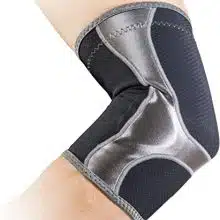
The use of braces, splints, or compression sleeves can provide support and stability to the elbow joint, reducing pain and protecting it during physical activities.
Surgical Intervention
In severe cases or when conservative treatments fail to provide relief, surgical intervention may be necessary. Procedures such as ligament reconstruction, tendon repair, or arthroscopy may be performed to restore stability and functionality.
Prevention of Elbow Pain
Preventing elbow pain in sports involves implementing preventive measures such as:
Proper Technique and Form
Athletes should receive appropriate training and coaching to ensure proper technique and form during sports activities, minimizing the risk of excessive stress or strain on the elbow joint.
Gradual Progression
Gradually increasing the intensity, duration, or frequency of sports activities allows the body to adapt and reduce the risk of overuse injuries.
Conditioning and Strengthening
Regular conditioning and strengthening exercises that target the muscles surrounding the elbow joint can improve stability and reduce the risk of injury.
Protective Gear
Wearing appropriate protective gear, such as elbow pads or braces, can provide additional support and cushioning during high-impact sports or activities with a higher risk of contact or falls.
Conclusion
Elbow pain in the context of sports medicine can significantly impact an athlete's performance and functionality. Proper diagnosis and treatment are essential for effective management and prevention of long-term complications. Athletes should seek timely medical attention from sports medicine professionals to receive accurate diagnosis, implement appropriate treatment strategies, and optimize recovery.
Emphasizing preventive measures, including proper technique, gradual progression, conditioning, and the use of protective gear, can help reduce the risk of elbow pain and promote long-term elbow health in sports.