Because the majority of patients with MND will have amyotrophic lateral sclerosis, the terms are often used interchangeably to mean one and the same thing. The remaining 10 percent are comprised of either Progressive Muscular Atropy or the very rare Primary Lateral Sclerosis.
Causes of ALS
The exact cause of ALS remains largely unknown, although a combination of genetic and environmental factors is believed to contribute to its development. Approximately 5-10% of ALS cases are inherited (ie show a family link), resulting from specific genetic mutations. The remaining 90-95% of cases are considered sporadic, occurring without any known genetic link.
Research suggests that a complex interplay of genetic susceptibility, chemical imbalances, disrupted protein metabolism, inflammation, and oxidative stress may play a role in the onset and progression of ALS.
Symptoms of ALS
The initial symptoms of ALS can be subtle and easily overlooked. However, as the disease progresses, the symptoms become more noticeable and debilitating.
Common signs and symptoms of ALS include:
Muscle weakness
Gradual muscle weakness, typically beginning in the limbs, is a hallmark symptom of ALS. It may manifest as difficulty walking and climbing stairs, tripping, or clumsiness. Eventually, it affects the ability to perform routine tasks like writing, buttoning a shirt, opening jars or grasping objects.
Muscle cramps and twitches
Unexplained muscle cramps, fasciculations (twitching) or spasms may occur. These often precede muscle weakness and are a result of the affected nerve cells misfiring.
Speech and swallowing difficulties
ALS can affect the muscles responsible for speech and swallowing, leading to slurred speech (dysarthria) and difficulties in swallowing (dysphagia). The presence of speech and swallowing problems at the time of diagnosis is a poor prognostic sign associated with shorter survival.
Respiratory problems
In advanced stages of ALS, the muscles involved in breathing become weakened, causing shortness of breath, difficulty in breathing, and reduced lung capacity. This may necessitate the use of respiratory support devices. This weakness of the respiratory muscles ultimately leads to death.
Fatigue and weight loss
Many individuals with ALS experience unexplained fatigue and unintentional weight loss due to the increased effort required to perform basic activities. Wasting of the muscles of the arms and legs is, also, a contributory factor to weight loss.
Inappropriate behaviour
People with ALS sometimes find it difficult to prevent themselves from crying or laughing in inappropriate situations.
Treatment of ALS
While there is currently no cure for ALS, treatment approaches focus on managing symptoms, improving quality of life, and prolonging survival. The multidisciplinary care team for ALS typically includes neurologists, physical and occupational therapists, speech-language pathologists, respiratory therapists and nutritionists.
Treatment options may include:
Medications
Several medications, such as Riluzole and Edaravone, have been approved for ALS treatment. They aim to slow disease progression and manage symptoms.
Other medications are commonly used to reduce the impact of specific symptoms:
- Antimuscarinic medicines for hypersalivation (increased flow of saliva);
- Baclofen, tizanidine, dantrolene or gabapentin for muscle stiffness, spasticity or increased tone;
- Quinine for muscle cramps:
- Opioids as an option to relieve symptoms of breathlessness.
Physical therapy
Physical therapy plays a vital role in maintaining muscle strength, flexibility, and mobility. Therapists provide personalized exercise programs to manage muscle weakness and prevent complications like joint contractures.
Assistive devices
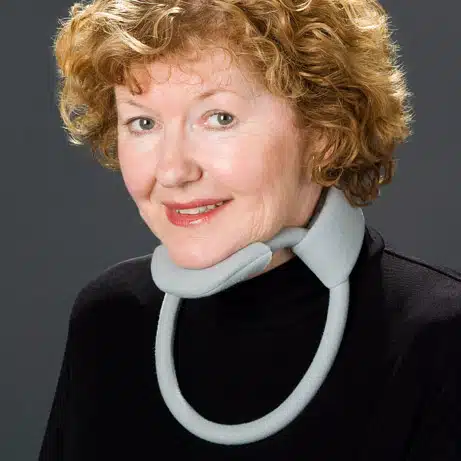
As the disease progresses, individuals with ALS may require assistive devices to aid in mobility and daily activities. These can include braces, walkers, wheelchairs, and communication devices.
Respiratory support
Breathing assistance is crucial in advanced stages of ALS. Non-invasive ventilation (NIV) or mechanical ventilation may be used to help maintain proper airflow and ensure adequate oxygen supply. Non-invasive ventilation involves the delivery of oxygen into the lungs via a face mask without the need for insertion of a tube into the trachea.
Nutritional support
Maintaining proper nutrition and managing swallowing difficulties is essential. This may involve modifications to the diet, such as softer foods or the use of a feeding tube when swallowing becomes severely impaired.
Emotional and psychological support
ALS can have a significant emotional and psychological impact on both patients and their caregivers. Support groups, counselling and palliative care services can provide essential emotional support throughout the disease progression.
Conclusion
Amyotrophic lateral sclerosis (ALS) is a devastating disease that affects the nerve cells responsible for voluntary muscle movement.
The prognosis in terms of life expectancy is variable and depends on factors such as age at onset and which symptoms are present at the time of diagnosis. Many patients die within 2-3 years of the diagnosis being made. About 15% of patients with ALS are alive 5 years after diagnosis. Only about 5% survive for longer than 10 years. Longer survival is associated with a younger age of onset, male sex and onset with symptoms affecting the limbs rather than speech and swallowing.
While the causes of ALS remain largely unknown, early detection and comprehensive care can help manage symptoms, maximize quality of life, and provide support to individuals living with the condition.
Continued research and advancements in treatment options offer hope for improved understanding and therapeutic interventions in the future.