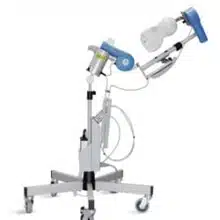
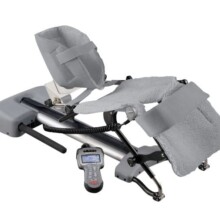
Continuous Passive Motion (CPM): How It Works
1. Passive Movement: CPM devices are designed to provide controlled, continuous, and passive movement to a joint. They gently flex and extend the joint within a prescribed range, mimicking natural joint motion without requiring the patient to actively move their muscles.
2. Prescribed Range of Motion: The range of motion and speed of movement are set by the healthcare provider based on the patient's condition, surgical procedure, and stage of recovery. CPM devices are highly customizable to ensure the joint is moved within the therapeutic range.
3. Gradual Progression: CPM therapy typically begins with gentle, limited motion and gradually increases the range and speed of movement over time. This gradual progression helps prevent joint stiffness and encourages the restoration of normal joint function.
The Role of CPM in Sports Medicine
- Post-Surgical Rehabilitation: CPM is commonly used in sports medicine for athletes recovering from joint surgery, such as knee ligament reconstruction (e.g., ACL or MCL), meniscus repair, or rotator cuff surgery. It helps in the early stages of recovery by preventing joint contractures and maintaining joint mobility.
- Reduction of Swelling and Pain: CPM can assist in reducing post-surgical swelling and pain. By gently moving the joint, it encourages the circulation of blood and lymphatic fluids, which aids in the removal of excess fluid and inflammation from the injured area.
- Enhanced Tissue Healing: Continuous passive motion promotes tissue healing by stimulating the production of synovial fluid, which lubricates the joint, and by preventing the formation of adhesions or scar tissue within the joint. This can contribute to improved joint function in the long term.
- Accelerated Recovery: For athletes looking to return to their sports as quickly and safely as possible, CPM can be a valuable tool. It can aid in accelerating the rehabilitation process by maintaining joint flexibility and function during the early stages of recovery.
- Improved Range of Motion: CPM is particularly beneficial for improving joint range of motion, which is critical for athletes. By gradually increasing joint flexibility, athletes can regain their pre-injury or pre-surgical mobility, allowing them to perform optimally.
- Patient Compliance: CPM devices can improve patient compliance with post-surgical or post-injury rehabilitation protocols. Athletes often find it challenging to perform active range-of-motion exercises immediately after surgery, making CPM a more comfortable and less intimidating alternative.
- Individualized Care: CPM allows sports medicine professionals to provide individualized care and treatment plans. The range, speed, and duration of CPM sessions can be tailored to each athlete's specific needs and progress.
In conclusion, Continuous Passive Motion (CPM) is a valuable modality in sports medicine and rehabilitation, particularly for athletes recovering from joint surgery or injuries. It plays a crucial role in promoting joint recovery, reducing pain and swelling, enhancing tissue healing, and facilitating a safe return to sports activities.
CPM devices are an essential tool for sports medicine professionals in optimizing the rehabilitation and recovery process for athletes, ensuring they can return to peak performance levels with confidence.