

Webril Undercast Padding
By: Covidien™
| Product Dimensions | 2″ x 4 yds, 3″ x 4 yds, 4″ x 4 yds |
|---|
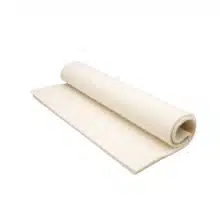
Webril Undercast Padding uses a combination of mild stretch and cohesiveness that allows it to remain in place under an orthopedic cast without shifting or bunching.
Webril UnderCast Padding is ideal for use with casting material, whether synthetic or plaster and will retain its consistency through wet or dry conditions. This non sterile padding features a combination of mild stretch and cohesiveness that allows it to remain in place without shifting or bunching. It is available in a sterile blister pouch for postoperative casting applications.
Prices shown are per bag (24 2″ rolls, 12 3″ rolls or 12 4″ rolls).
| Product Dimensions | 2″ x 4 yds, 3″ x 4 yds, 4″ x 4 yds |
|---|
Q & A

Table of Contents
Frequently Asked Questions
What is the primary purpose of undercast padding, and is it really necessary?
Undercast padding serves as a critical protective layer between the rigid cast and the patient’s skin. Its primary function is to cushion bony prominences—such as the ankle, wrist, or elbow—to prevent pressure sores and skin breakdown.
Beyond comfort, it acts as a moisture management system. While casting materials like plaster or fiberglass are rigid, the padding absorbs perspiration and allows for minor swelling. Without this layer, a cast would be not only unbearably uncomfortable but also dangerous, as it could lead to significant skin irritation, abrasions, and compromised circulation.
Can I use undercast padding with both synthetic (fiberglass) and plaster casts?
Yes, a high-quality undercast padding like Webril is designed to be versatile. It is engineered to retain its cushioning consistency regardless of the application method or material used.
Because it maintains its structural integrity when wet, it is ideal for plaster applications, which require the padding to be submerged during application. Simultaneously, its cohesive nature ensures it does not shift or bunch under the weight or pressure of synthetic fiberglass. This versatility makes it a staple in clinical settings where technicians may switch between casting materials depending on the patient’s needs.


Reviews
There are no reviews yet