

Padded Exercise Bar
By: Cando®
The Padded Exercise Bar with Tubing is a foam covered exercise bar with attached tubing.
The CanDo® Padded Exercise Bar with Tubing is an exercise bar with a foam covering and with tubing attached at each end. To increase the resistance level, just wind up the tubing. The kit includes yellow tubing.
A padded exercise bar is a versatile fitness tool that offers various benefits and uses for strength training, flexibility, rehabilitation, and functional movement exercises. Here are some of its key benefits and uses:
Benefits
- Comfort: The padded surface of the exercise bar provides cushioning and support, reducing discomfort and pressure on the hands, shoulders, and back during exercises, making it suitable for individuals with sensitive skin or joint issues.
- Grip Stability: The padded surface helps to improve grip stability, preventing slippage and ensuring a secure hold during exercises, which is especially beneficial for exercises that involve lifting or pulling movements.
- Versatility: An exercise bar with padding can be used for a wide range of exercises targeting various muscle groups, including the arms, shoulders, back, chest, and core, providing a comprehensive full-body workout.
- Safety: The padded surface of the exercise bar reduces the risk of injury by providing a soft and forgiving surface for exercises, minimizing the impact on the body and joints, making it suitable for individuals recovering from injuries or with joint issues.
- Durability: High-quality padded exercise bars are made from durable materials that can withstand repeated use and resist wear and tear, providing long-lasting performance and value for users.
- Portability: Many padded exercise bars are lightweight and portable, making them easy to transport and store, allowing users to perform workouts at home, in the gym, or while traveling.
Uses
- Strength Training: Use the exercise bar for exercises such as bicep curls, tricep extensions, shoulder presses, chest presses, rows, and squats to target various muscle groups throughout the body, promoting muscle growth and strength development.
- Flexibility Training: Incorporate the bar into stretching routines to improve flexibility and range of motion in tight or stiff muscles, helping to prevent injury and enhance overall mobility.
- Rehabilitation: Use the padded exercise bar for rehabilitation exercises to improve joint stability, range of motion, and functional movement patterns in individuals recovering from injuries, surgeries, or chronic conditions.
- Core Stability: Perform exercises such as standing twists, wood chops, and standing crunches with the padded exercise bar to engage the muscles of the core, including the abdominals, obliques, and lower back, promoting core strength and stability.
- Balance and Coordination: Incorporate the padded exercise bar into balance and stability exercises to challenge proprioception and spatial awareness while strengthening muscles throughout the body.
- Pilates and Barre Workouts: Use the padded exercise bar for Pilates and barre workouts to perform exercises that improve posture, alignment, and muscle tone while enhancing core strength and flexibility.
- Functional Movement: Many exercises performed with the padded bar mimic real-life movement patterns, promoting functional strength and mobility that translates to everyday activities and sports performance.
In summary, a padded exercise bar offers a comfortable, versatile, and effective way to perform a wide range of strength training, flexibility, rehabilitation, and functional movement exercises, making it a valuable tool for individuals of all fitness levels and goals.
Q & A
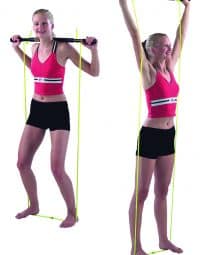
Table of Contents
Frequently Asked Questions
Can a padded exercise bar help with injury recovery or joint pain?
Yes, padded exercise bars are specifically designed with rehabilitation and joint comfort in mind. The cushioned surface reduces direct pressure on the hands, wrists, shoulders, and back, making it an ideal tool for individuals recovering from injuries or managing chronic conditions such as arthritis or tendonitis.
During rehabilitation, this bar supports controlled, low-impact movements that help restore joint stability, range of motion, and functional strength without exacerbating pain. Its forgiving grip also minimizes vibration and impact, which is particularly beneficial for sensitive or healing tissues.
Moreover, the bar’s lightweight and portable nature allows for safe, supervised exercise both in clinical settings and at home. When used as part of a physical therapy regimen, it promotes blood flow, reduces stiffness, and encourages proper movement patterns. Always consult a healthcare professional before beginning any rehabilitation exercise, but for many, a padded exercise bar offers a gentle yet effective path to recovery.
How does a padded exercise bar differ from a standard metal or wooden bar?
The most significant difference lies in comfort and safety. Unlike standard metal or wooden bars, which can be cold, hard, and prone to slipping, padded exercise bars feature a soft, high-density foam layer covered in durable, non-slip material. This design greatly enhances grip stability, even during sweaty or high-repetition workouts.
Additionally, the padding absorbs shock and reduces stress on joints and bones, making exercises like shoulder presses, squats, or triceps extensions far more tolerable for users with sensitive hands or previous injuries. Standard bars often require gloves or additional grip tape to achieve similar levels of comfort.
Portability is another key distinction. Padded bars are typically lighter and easier to transport, yet they remain durable enough for regular use. While metal bars excel in heavy weightlifting, padded exercise bars are superior for functional fitness, flexibility training, Pilates, and rehabilitation—where comfort, control, and joint protection take priority over maximum load.
What exercises can you perform with a padded exercise bar for core strength?
Padded exercise bars are highly effective for core conditioning due to their length, grip options, and comfortable handling. For example, standing twists—holding the bar across your shoulders—engage the obliques and abdominals through controlled rotational movements. Similarly, wood chops, performed diagonally from shoulder to opposite hip, recruit the entire core while improving coordination.
Another excellent exercise is the standing crunch. With the bar held horizontally at chest level, you contract your abdominals to draw your ribcage toward your pelvis, maintaining a stable torso. For lower back and stability training, overhead squats or good mornings using the padded bar challenge the deep postural muscles without straining the spine.
In Pilates and barre workouts, the bar supports exercises like roll-downs and side bends, which improve spinal articulation and lateral core strength. The padded surface allows you to maintain a secure, confident grip while focusing on form and breath. Ultimately, the bar’s versatility makes it an excellent choice for progressing from basic to advanced core movements safely.


Reviews
There are no reviews yet