Symptoms
Wrist Pain
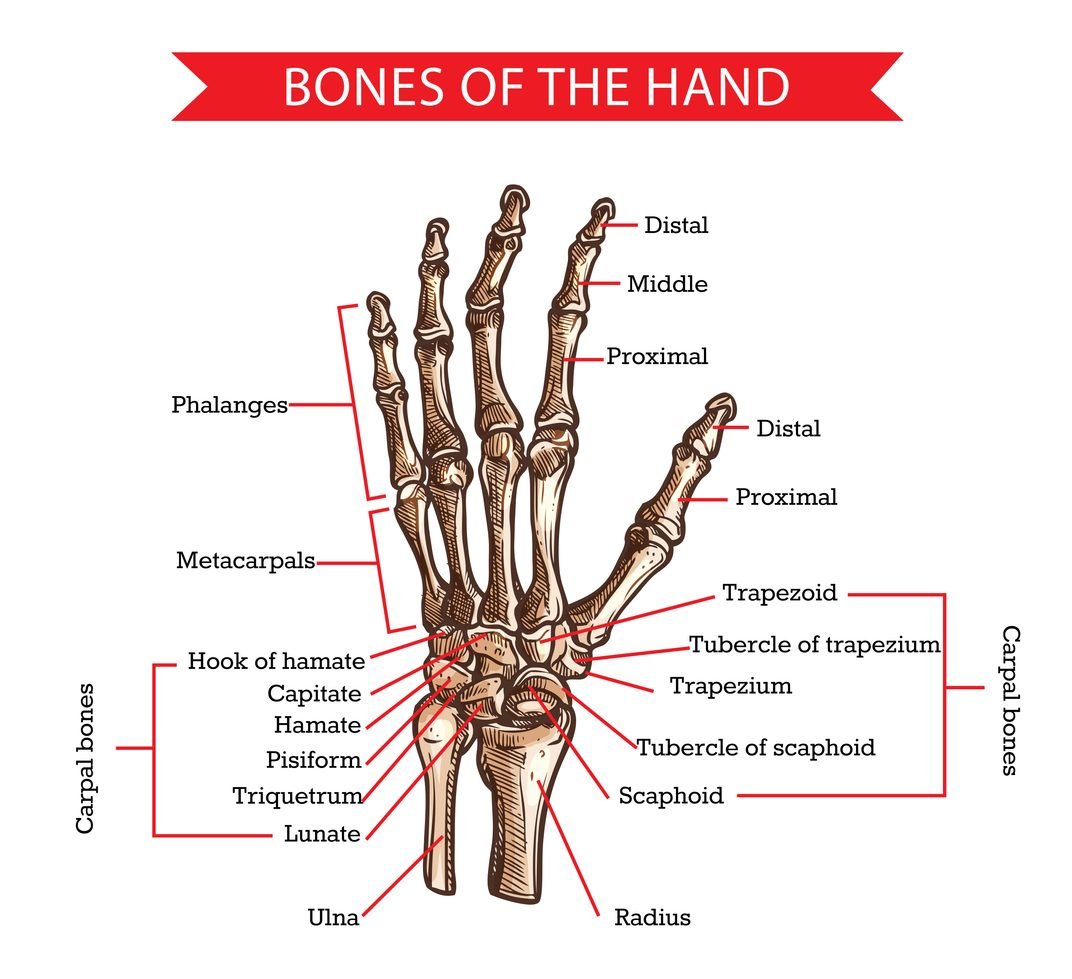
The most common symptom of a scaphoid fracture is persistent pain in the wrist, particularly in the area between the thumb and the forearm. The pain may worsen with wrist movement or when pressure is applied to the area.
Swelling and Tenderness
The injured wrist may exhibit swelling, tenderness, and bruising around the scaphoid bone. These symptoms can vary in intensity depending on the severity of the fracture.
Limited Range of Motion
A scaphoid fracture can lead to a reduced range of motion in the wrist. Activities such as gripping, twisting, or bearing weight on the affected hand may be challenging and painful.
Weakness and Instability
Some individuals may experience weakness or a feeling of instability in the wrist due to the fracture's impact on the bone's structural integrity.
Causes
Scaphoid fractures are often the result of a fall onto an outstretched hand, especially when landing on the palm with the wrist extended.
Sports-related injuries, such as those occurring during contact sports or activities involving high impact, can also cause scaphoid fractures.
Additionally, repetitive stress on the wrist over time can weaken the bone, making it more susceptible to fractures.
Diagnosis
Proper diagnosis is essential for an accurate treatment plan. A healthcare professional will typically perform a thorough examination and consider the patient's medical history.
Diagnostic tests may include:
X-rays
While some scaphoid fractures are visible on standard X-rays, others may require additional imaging or a follow-up X-ray a few weeks later when the fracture becomes more apparent.
MRI or CT Scan
In cases where an X-ray does not provide a clear view, an MRI or CT scan may be ordered to obtain detailed images of the scaphoid bone and assess the extent of the fracture.
Treatment
The appropriate treatment for a scaphoid fracture depends on various factors, including the fracture's location, stability, and severity. Common treatment options include:
Immobilization
If the fracture is not displaced or unstable, a cast or splint may be applied to immobilize the wrist and allow the bone to heal. In some cases, a thumb spica splint, which immobilizes the thumb and wrist, may be used to provide additional support.
Surgery
In cases where the fracture is displaced or unstable, surgery may be necessary to realign the bone fragments and secure them with screws or pins. This is typically performed arthroscopically, minimizing the invasiveness of the procedure.
Rehabilitation
Following immobilization or surgery, a period of rehabilitation is crucial to regain strength, flexibility, and range of motion in the wrist. Physical therapy exercises and techniques may be recommended to aid in the recovery process.
Pain Management
Over-the-counter pain medications or prescribed pain relievers may be used to manage discomfort during the healing process.
Conclusion
A scaphoid fracture can significantly impact wrist function and daily activities. Prompt diagnosis and appropriate treatment are essential for optimal recovery.
If you experience symptoms indicative of a scaphoid fracture, it is crucial to seek medical attention. A healthcare professional will provide an accurate diagnosis and guide you through the most suitable treatment options to help restore wrist function and minimize long-term complications.