

Patient Data Cards (25/Pack)
By: Chattanooga
Record your patients’ modaility and pain profile information with Chattanooga patient data cards. 25 cards per pack.
Chattanooga patient data cards allow you to record patient modality and pain profile for up to 14 treatment sessions. Particularly useful in rehabilitation, chiropractic and physical therapy settings.
Q & A
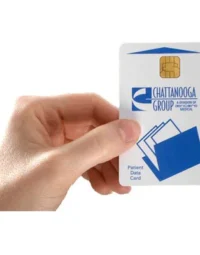 Patient Data Cards (25/Pack)
Table of Contents
Frequently Asked Questions
How do these data cards improve patient outcomes and clinic efficiency?
These cards serve as a centralized, tangible record that directly enhances clinical practice. For patient outcomes, they provide a clear visual timeline of progress, which is profoundly motivating. Seeing documented reductions in pain scores or increases in function over sessions reinforces adherence to the treatment plan. Clinically, they allow for quick session-to-session comparison, enabling the therapist to identify plateaus or regressions immediately and adjust modalities or parameters in real-time based on historical data, leading to more personalized and responsive care.
For clinic efficiency, patient data cards eliminate the need to search through digital notes or memory for previous settings. This streamlines each session’s setup, ensuring consistency and saving valuable time. They also facilitate seamless handovers between practitioners within a clinic, ensuring continuity of care if another therapist needs to step in. Ultimately, this simple tool reduces administrative time, increases treatment accuracy, and fosters better patient-practitioner communication, all contributing to more effective rehabilitation.
Are these cards compliant with patient privacy regulations like HIPAA?
This is a critical consideration. As physical records containing Protected Health Information (PHI), their use must be carefully managed. The patient data cards themselves, filled out by the clinician, are considered part of the official medical record. Therefore, they must be stored securely with the same rigor as paper charts—in a locked cabinet or room when not in use. They should never be left unattended in treatment areas or taken from the clinic by the patient.
Compliance is maintained by treating the card as an internal clinical tool, not a patient-held document. To further mitigate risk, many clinics use the cards during the session for reference and logging, then file them immediately afterward, transferring any essential data into the primary electronic health record (EHR). It is crucial to have a clear clinic policy that defines the card as a working part of the PHI and outlines its secure handling, storage, and eventual destruction protocols to maintain full regulatory compliance.
How do we integrate these analog cards with our digital Electronic Health Record (EHR) system?
Integration is about complementing, not replacing, your digital system. Patient data cards are best used as a real-time, point-of-care workflow tool to enhance data entry accuracy and speed. During a busy clinical day, a therapist can quickly jot down modality settings and pain scores on the card without turning away from the patient to input data into a computer. This maintains engagement and flow.
The card then acts as a precise source document for later EHR charting. At the end of the session or day, the clinician can efficiently transfer the consolidated data from the card into the patient’s digital record. This two-step process reduces data entry errors made under time pressure and ensures the digital record is comprehensive. The physical card becomes a reliable audit trail and a quick-reference backup. The key is a consistent clinic protocol that mandates the timely transfer of information from the temporary working card to the permanent legal EHR, leveraging the benefits of both systems.


Reviews
There are no reviews yet