

Patient Interrupt Switch (Legend XT & Transport)
By: Chattanooga
The Chattanooga Patient Interrupt Switch allows the patient to unilaterally stop the treatment for any reason.
The Patient Interrupt Switch allows the patient to unilaterally stop the treatment for any reason. The patient can also resume the treatment once they are ready to do so. In addition, the patient can change treatment intensity to a level with which they are more comfortable..
Q & A
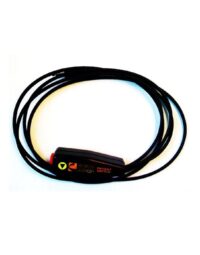
Table of Contents
Frequently Asked Questions
Is the patient interrupt switch a complete emergency stop, and what happens when it is pressed?
The patient interrupt switch is designed as a pause function, not a full system emergency stop. When activated, it immediately halts the primary treatment modality—such as electrical stimulation, laser emission, or mechanical movement—returning the device to a safe, idle state. This allows the patient to address discomfort, adjust their position, or request the clinician’s attention without urgency.
Crucially, the device remains powered on and retains all preset treatment parameters. This design enables a swift and seamless resumption of therapy once the patient or clinician reactivates the system, preventing the need for a lengthy recalibration process. It is vital to understand that this switch typically does not cut primary electrical power to the entire unit; for a full power disconnect in case of equipment malfunction, a separate, often hardwired emergency stop (E-Stop) is required and should be clearly identified by the clinical team.
How does the ability to adjust intensity using the patient interrupt switch impact patient safety and treatment outcomes?
Empowering patients with adjustable intensity control within clinician-set safety limits has a profoundly positive impact on both comfort and efficacy. This feature directly addresses the psychological and physiological principle of autonomy, reducing anxiety and increasing the patient’s tolerance for therapy. When patients know they have immediate control, they are often more willing to engage with higher, more therapeutic levels of stimulation or movement.
From a safety perspective, it provides a critical real-time feedback loop. A patient can instantly respond to atypical pain or discomfort that a clinician monitoring externally might not immediately detect, thereby preventing potential overstimulation or strain. This self-regulation does not undermine the treatment protocol; rather, it optimizes it by ensuring the administered therapy is always at the highest tolerable and effective dose for that individual at that precise moment, leading to better adherence and improved clinical results.
Can the patient interrupt switch be accidentally triggered, and what safeguards are in place?
Manufacturers incorporate several design safeguards to prevent accidental activation while ensuring the switch remains instantly accessible. The switch is typically recessed, shielded, or requires deliberate pressure to engage, differing from the device’s standard control buttons. It is also strategically placed for easy access but away from areas likely to encounter incidental contact, such as on a dedicated hand-held pendant or a clearly marked, prominent location on the device itself.
Furthermore, system logic often includes a confirmation step for resumption. After pausing, therapy does not restart from a simple bump; it usually requires a deliberate, separate action, such as holding the button for two seconds or pressing a distinct “resume” control. These layered precautions ensure the interrupt function acts as a reliable safety feature, minimizing disruptions while preserving its fundamental role: giving the patient unequivocal control over their treatment experience.



Reviews
There are no reviews yet