


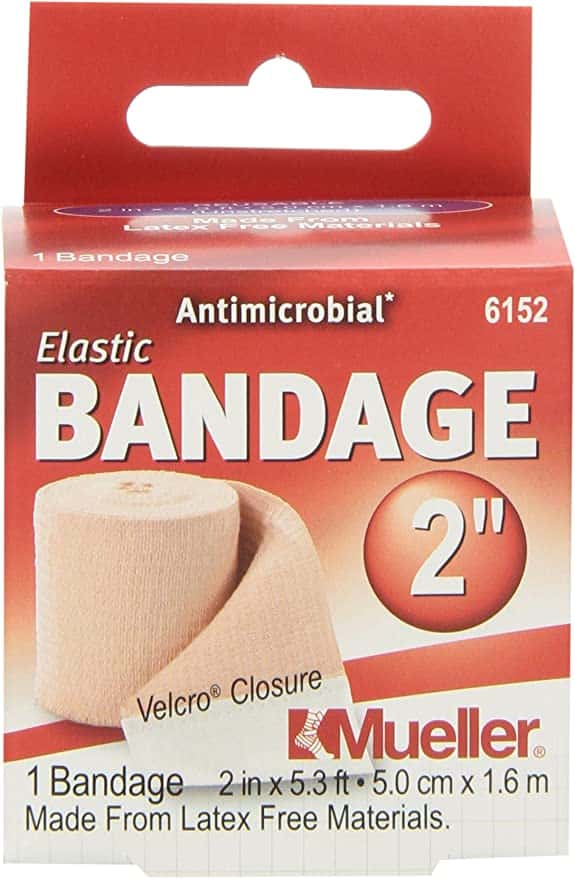

Antimicrobial Elastic Bandage
| Latex Content | Latex Free |
|---|---|
| Antimicrobial | Yes |
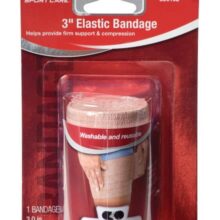
Mueller antimicrobial elastic bandages are latex free, washable, anti microbial and reusable and are an excellent solution for applying compression or support to soft tissue injuries or holding cold packs or wound dressings in position. They are a secure Velcro closure, making removal and reapplication a simple matter.
Mueller antimicrobial elastic bandages are designed to be long lasting, washable and are also antimicrobially treated.. They can be used to apply compression to sports injuries or to hold cold packs in place.
Key features are:
- They are easy to apply or remove;
- They are particularly effective for applying compression to sports injuries like sprains or strains or for supporting injured soft tissues;
- You can also use them to securely hold wound dressings in place;
- Their long lasting property allows them to be repeatedly reused with no loss of elasticity or compressive capability;
- They use a secure Velcro closure mechanism and so are easily repositioned;
- They are latex free – so will provide no risk of medical reactions from those with sensitive skin.
Mueller Antimicrobial Elastic Bandages – Applications
Antimicrobial elastic bandages are medical bandages or wraps that are impregnated or coated with antimicrobial agents. These bandages serve multiple purposes and offer several applications in healthcare settings. Here are some common applications of antimicrobial elastic bandages:
Wound Dressings:
– Antimicrobial elastic bandages are often used as wound dressings for covering and protecting various types of wounds, including cuts, abrasions, surgical incisions, and chronic ulcers.
– The antimicrobial properties of these bandages help reduce the risk of infection by inhibiting the growth of bacteria on the wound site.
Post-Surgical Care
– After surgical procedures, antimicrobial elastic bandages may be applied to the surgical site to promote healing and minimize the risk of surgical site infections (SSIs).
– They are particularly useful in orthopedic surgeries and post-operative care to support and protect incisions.
Burn Wound Management:
– Antimicrobial elastic bandages are used in the treatment of burn wounds to prevent infection and facilitate wound healing.
– The elasticity of these bandages allows for a snug fit around irregularly shaped burn wounds.
Lymphedema Management
– Individuals with lymphedema, a condition characterized by fluid buildup in tissues, may use antimicrobial elastic bandages as part of their lymphedema management plan.
– These bandages help provide compression and support to reduce swelling and improve lymphatic drainage.
Pressure Ulcer Prevention
– In healthcare settings, antimicrobial elastic bandages can be used as part of pressure ulcer prevention strategies.
– They are applied to areas of the body that are at risk of pressure ulcers to protect the skin and reduce the risk of infection.
Sports and Athletic Injuries
– Athletes and sports enthusiasts may use antimicrobial elastic bandages to support and stabilize injured joints, such as ankles, knees, wrists, and elbows.
– The antimicrobial properties help reduce the risk of infection in case of abrasions or open wounds.
Postoperative Laceration Care
– After minor surgical procedures that involve lacerations, antimicrobial elastic bandages can be used to cover and protect the wound site.
– They can help maintain a clean environment and prevent infection.
Chronic Wound Care
– Patients with chronic wounds, such as diabetic ulcers or venous ulcers, may benefit from the antimicrobial properties of these bandages.
– They aid in reducing bacterial load and promoting the healing process.
Infection Control
– In healthcare settings, antimicrobial elastic bandages can be applied to immobilize or secure medical devices, such as catheters, to reduce the risk of infection at the insertion site.
It’s important to note that while antimicrobial elastic bandages can be beneficial in preventing and managing infections, they should be used under the guidance of healthcare professionals who can assess the specific needs of the patient and select the appropriate wound care and dressing options. Proper wound care protocols, including wound cleansing, debridement, and monitoring, should also be followed in conjunction with the use of these bandages to ensure optimal healing and infection prevention.
| Latex Content | Latex Free |
|---|---|
| Antimicrobial | Yes |
Q & A
Table of Contents
Frequently Asked Questions
Are Mueller Antimicrobial Elastic Bandages reusable and how should they be cleaned?
Yes, Mueller Antimicrobial Elastic Bandages are specifically designed for long-term, repeated use. Their high-quality construction ensures they retain their elasticity and compressive capability even after multiple washes. For proper care, hand wash the bandage in lukewarm water using a mild detergent, rinse thoroughly, and allow it to air dry completely before its next application. This simple cleaning process maintains the bandage’s structural integrity and reactivates its antimicrobial treatment, ensuring it continues to provide hygienic protection and support throughout its lifespan.
What are the primary uses and benefits of the antimicrobial feature?
The antimicrobial treatment is a key benefit, designed to inhibit the growth of odor-causing bacteria, fungi, and mildew within the bandage itself. This is crucial for maintaining hygiene when the bandage is used repeatedly for managing sports injuries, providing compression for sprains, or securing wound dressings. By preventing microbial growth on the fabric, the feature helps reduce the risk of skin irritation and cross-contamination, making it ideal for long-wear scenarios or when covering minor abrasions. It is important to note that this feature sanitizes the bandage material; for open wounds, professional medical advice should always be sought for appropriate treatment and dressing.

Reviews
There are no reviews yet