

Positioning Wedge
By: Cando®
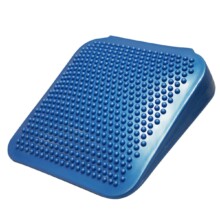
Positioning wedge made from high compression urethane foam and are perfect for either institutional or home use.
The CanDo® Positioning Wedge is manufactured from high compression urethane foam that is securely sewn into a cover made from heavy-duty vinyl-coated nylon.
These inexpensively priced wedges are perfectly suited for use with the Positioning Roll by institutions such as in physical therapy departments, organizations providing special education programs, pre-school education or physical education classes. Of course, gyms and health clubs can also purchase them for use by their members. Finally, they can also be used at home.
The wedges can be purchased in various sizes, firmness levels and colors.
Positioning wedges are versatile tools used in various settings, including healthcare, physical therapy, childcare, and general comfort purposes. Here are some of the benefits and uses of a positioning wedge:
Benefits
- Postural Support: Positioning wedges help promote proper alignment of the body, providing support and stability to maintain correct posture while sitting or lying down.
- Pressure Relief: By distributing body weight evenly and reducing pressure on specific areas, these wedges can help prevent discomfort and pressure ulcers, particularly for individuals who are bedridden or spend extended periods sitting.
- Muscle Relaxation: Using positioning wedges can help relax tight muscles and alleviate tension, promoting comfort and reducing pain in various parts of the body, including the back, hips, and legs.
- Rehabilitation: Positioning wedges are commonly used in physical therapy and rehabilitation programs to assist with exercises, stretches, and positioning techniques aimed at improving mobility, range of motion, and functional abilities.
- Respiratory Support: In healthcare settings, these wedges are often used to elevate the upper body or lower extremities, facilitating optimal breathing and airway clearance for individuals with respiratory conditions or who are recovering from surgery.
- Comfort and Sleep Quality: Placing a wedge under the legs, back, or head can help alleviate discomfort and promote better sleep quality by relieving pressure points and reducing muscle strain.
- Assistance with Activities of Daily Living: Positioning wedges can be used to assist individuals with various activities of daily living, such as eating, reading, or watching TV, by providing stable support and positioning.
Uses
- Elevating Body Parts: Positioning wedges can be used to elevate different parts of the body, such as the legs, back, or head, to promote comfort and reduce swelling, particularly after surgery or injury.
- Supporting Pregnancy: Pregnant women often use positioning wedges to support the abdomen and relieve pressure on the lower back while lying down, providing comfort and promoting better sleep during pregnancy.
- Enhancing Exercise and Stretching: Wedges of this type can be incorporated into exercise routines to enhance stretching and strengthen specific muscle groups, particularly for individuals with mobility limitations or musculoskeletal conditions.
- Promoting Proper Alignment: Placing positioning wedges under specific body parts, such as the hips or shoulders, can help maintain proper alignment during activities such as sitting, lying down, or performing rehabilitation exercises.
- Facilitating Nursing and Infant Care: In childcare settings, these wedges are used to support infants during feeding, diaper changes, and playtime, providing stability and comfort while promoting proper positioning.
- Improving Ergonomics: Positioning wedges can be used to optimize ergonomic posture while sitting at a desk or workstation, reducing strain on the neck, shoulders, and lower back and promoting better posture and comfort during extended periods of sitting.
- Aiding in Recovery: Individuals recovering from surgery, injury, or illness can benefit from using these wedges to support the body in comfortable and supportive positions, facilitating healing and recovery.
Overall, positioning wedges offer a wide range of benefits and uses for promoting comfort, support, proper alignment, and rehabilitation across various settings and populations.
Q & A

Table of Contents
Frequently Asked Questions
How do I choose the right size and firmness for a positioning wedge?
Selecting the appropriate size and firmness depends primarily on your intended use and body type. For elevating the head or upper body—such as for respiratory support or reducing acid reflux—a larger wedge with a gentler slope is often recommended. For targeted lower body elevation, such as post-surgery leg support, a smaller, more compact wedge may suffice.
Firmness is equally critical. A firmer wedge provides greater structural support, making it ideal for rehabilitation exercises or maintaining posture during prolonged sitting. Conversely, a softer wedge enhances comfort for sleep or pressure relief in bedridden individuals.
It is also worth considering that many manufacturers offer adjustable or multi-layer wedges, allowing you to modify firmness and height. Consulting a physical therapist or occupational therapist can provide personalized guidance. Ultimately, the right wedge balances therapeutic support with sustained comfort, ensuring it meets both clinical and daily needs.
Can positioning wedges help prevent pressure ulcers?
Yes, positioning wedges are highly effective in preventing pressure ulcers, also known as bedsores. These injuries occur when prolonged pressure restricts blood flow to bony areas such as the sacrum, heels, or elbows. By gently repositioning the body, wedges redistribute weight and reduce sustained pressure on vulnerable points.
For bedridden individuals or those with limited mobility, wedges placed under the back, hips, or legs create slight changes in angle, allowing tissues to receive adequate blood flow. When used in combination with regular turning schedules, wedges significantly lower ulcer risk. They also reduce shear and friction, two additional contributors to skin breakdown.
Healthcare providers often recommend foam wedges with medium firmness for pressure relief, as overly hard surfaces can create new pressure points. Look for wedges with removable, moisture-wicking covers to maintain skin hygiene. Properly used, positioning wedges are a simple yet powerful tool in pressure ulcer prevention protocols.
Are positioning wedges suitable for use during pregnancy?
Positioning wedges are a popular, non-invasive solution for pregnancy-related discomfort. As the abdomen expands, many women experience lower back strain, hip pain, and difficulty finding a comfortable sleeping position. A wedge placed under the belly when lying on the side relieves abdominal weight and reduces pulling on the spine and pelvic muscles.
Additionally, placing a wedge behind the back while semi-reclining helps maintain neutral spinal alignment, easing sciatica or round ligament pain. For sleep, a wedge under the knees can alleviate lower back tension, while elevating the head with a wedge may reduce heartburn—a common third-trimester complaint.
It is important to choose a wedge with medium firmness to balance support and comfort. Always consult a healthcare provider before use, particularly if you have specific medical conditions like supine hypotension syndrome. When used correctly, positioning wedges enhance rest, reduce pain, and promote safer, more comfortable positioning throughout pregnancy.

Reviews
There are no reviews yet