

Slim WaTE Bar
By: Cando®
The Slim® WaTE™ Bar has progressive and colour coded weight levels ranging from 1 to 10 pounds as well as hangar and anti-roll end caps. Suitable for a wide range of types of exercise including aerobics and Pilates.
The CanDo® Slim® WaTE™ Bar has progressively colour coded weights starting at 1 pound and going up to 10 pounds.The bars have hangar and anti-roll end caps.
These bars are used for strength or range of motion exercises in the supine, sitting, or standing positions. They will also improve endurance, balance, and motor skills. Ideally suited for use by gyms and health clubs in group classes for aerobics, yoga, and Pilates.
The WaTE bar is a type of exercise equipment that combines the functions of a weighted barbell, dumbbells, and resistance bands into one versatile fitness tool. The name “WaTE” stands for “Weighted Aerobic Toning Exercise.” It consists of a lightweight hollow bar with removable weighted tubes or rods and detachable resistance bands attached to each end.
Features of the WaTE Bar
- Hollow Bar: The central part of the bar is a hollow, lightweight bar made of durable materials such as aluminum or plastic. This design allows for easy handling and maneuverability during exercises.
- Weighted Tubes or Rods: The weighted tubes or rods can be inserted into the hollow bar to adjust the overall weight of the WaTE bar. These tubes or rods typically come in different weights, allowing users to customize the resistance level according to their fitness level and workout goals.
- Resistance Bands: Detachable resistance bands are attached to each end of the WaTE bar. These bands provide additional resistance during exercises, adding an extra challenge to strength training movements and promoting muscle engagement throughout the range of motion.
Uses of the WaTE Bar
- Strength Training: The bar can be used for a wide range of strength training exercises targeting various muscle groups, including the arms, shoulders, chest, back, core, and legs. Exercises such as squats, lunges, presses, rows, curls, and twists can be performed using the WaTE bar to build muscle strength, endurance, and definition.
- Functional Fitness: The versatile design of the bar allows for functional fitness exercises that mimic real-life movements and activities. Users can perform exercises that improve balance, coordination, and stability, such as lunges with a twist, wood chops, standing rows, and overhead presses.
- Aerobic Conditioning: Incorporating the WaTE bar into aerobic workouts adds resistance to cardiovascular exercises, increasing the intensity and calorie burn. Exercises such as squats, lunges, and overhead presses performed in quick succession can elevate heart rate and improve cardiovascular fitness.
- Flexibility and Mobility: The bar can also be used for flexibility and mobility exercises to improve joint range of motion and reduce muscle stiffness. Stretching movements such as shoulder dislocates, chest openers, and hamstring stretches can be performed with the WaTE bar to enhance flexibility and mobility.
- Rehabilitation: The adjustable resistance levels and low-impact nature of the bar make it suitable for rehabilitation purposes. Individuals recovering from injuries or surgeries can use the WaTE bar to perform gentle strengthening and range of motion exercises under the guidance of a healthcare professional.
Overall, the WaTE bar offers a versatile and effective way to incorporate strength training, aerobic conditioning, functional fitness, flexibility, and rehabilitation exercises into a comprehensive workout routine. Its compact and portable design makes it suitable for use at home, in the gym, or while traveling, making it a valuable tool for individuals of all fitness levels and goals.
Q & A
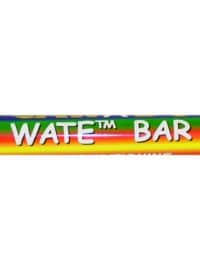
Table of Contents
Frequently Asked Questions
What exactly is a WaTE Bar, and how is it different from a regular barbell or dumbbells?
The WaTE Bar, which stands for Weighted Aerobic Toning Exercise, is a unique hybrid fitness tool that combines the benefits of a weighted barbell, dumbbells, and resistance bands into one compact device. Unlike a standard barbell, which offers fixed or plate-loaded weight, the WaTE Bar features a hollow central bar that accepts removable weighted tubes or rods.
This design allows users to progressively adjust resistance from 1 to 10 pounds using colour-coded weights. In addition, detachable resistance bands attach to each end, providing variable tension throughout exercises. Traditional dumbbells and barbells cannot offer this dual resistance—both gravitational and elastic—making the WaTE Bar particularly effective for toning, endurance, and rehabilitation.
What types of exercises can I perform with the WaTE Bar?
The WaTE Bar is remarkably versatile and supports a wide range of movements. You can use it for strength training exercises such as squats, lunges, presses, rows, and curls, targeting the arms, shoulders, core, and legs. It is also ideal for functional fitness movements like wood chops and standing rows, which improve balance, coordination, and stability.
For aerobic conditioning, the bar can be incorporated into high-repetition routines to elevate heart rate and increase calorie burn. Additionally, it supports flexibility and mobility work through stretches like shoulder dislocates and hamstring stretches. Even rehabilitation exercises can be performed gently under professional guidance, making the WaTE Bar suitable for nearly any fitness goal.
Is the WaTE Bar suitable for beginners or people recovering from injury?
Yes, the WaTE Bar is highly suitable for beginners and individuals in rehabilitation. Its adjustable weight system starts as low as one pound, allowing new users or those recovering from injury to begin with very light resistance. The open-ended design with anti-roll caps and hanger end caps also makes the bar safe and easy to handle in supine, sitting, or standing positions.
Furthermore, the resistance bands can be detached or swapped to modify difficulty without changing the bar’s core weight. Because the WaTE Bar promotes low-impact, controlled movements, it is often recommended for improving range of motion and motor skills after injury. However, it is always advisable to consult a healthcare professional before beginning any rehabilitation exercise program.


Reviews
There are no reviews yet