6 Valuable Ways To Use A Back Brace To Prevent Injury
The back is one of the most commonly injured body parts in sports, right up there with the knees and the ankles. A back injury is no fun, can be very painful and might mean an extended stay in bed, not to mention a hiatus from the sport you love. Here are six possible threats to an athlete’s back and how wearing a back brace to prevent injury during these activities can pay off over the long term.

1. Improper Deadlift Technique
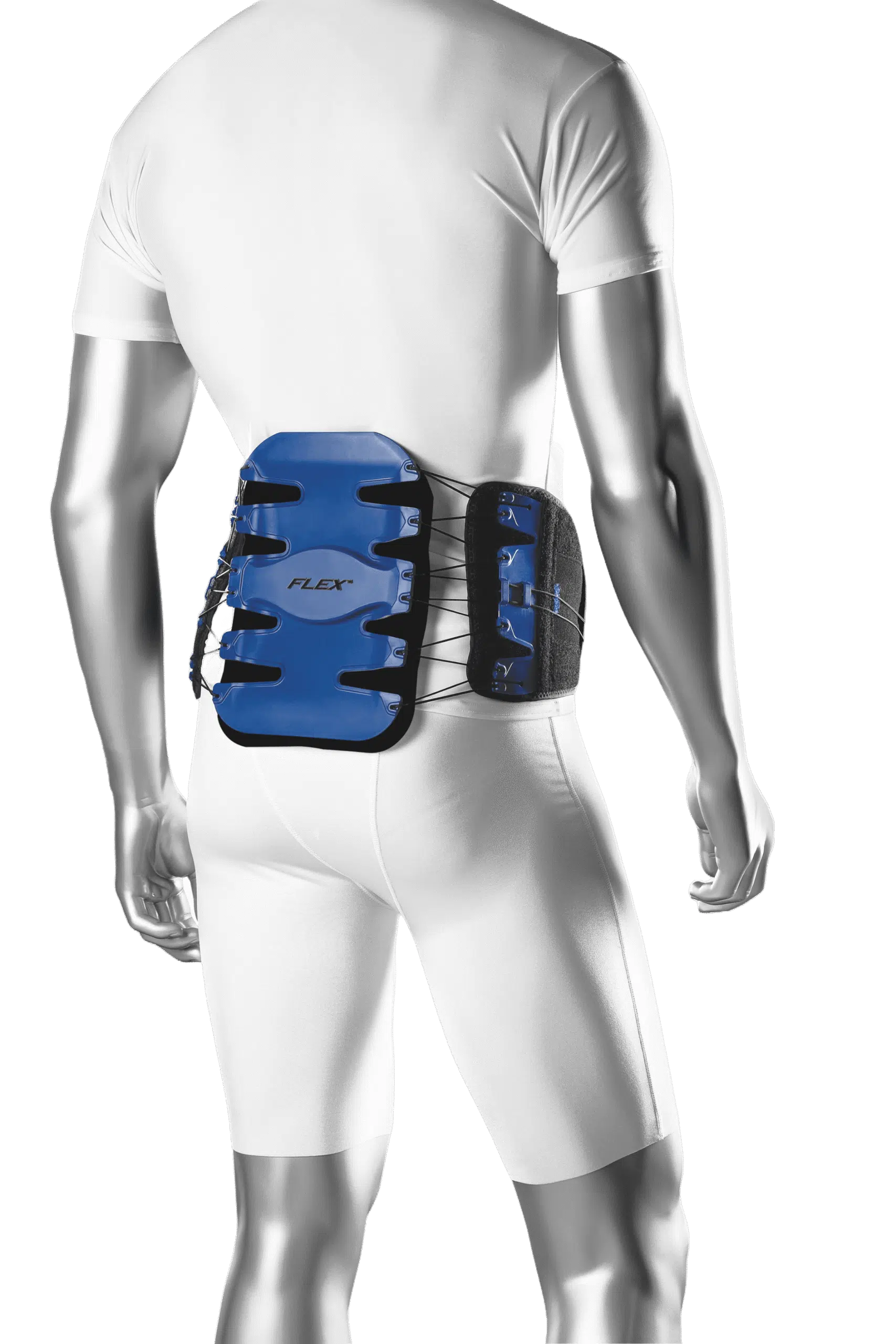
Deadlifts are a great way to improve leg strength and work out several sets of muscles. However, this exercise requires near-perfect form to avoid a back injury. An orthopedic back brace compresses the abdomen, helping to unload weight and pressure off the intervertebral discs, vertebrae and other parts of your spinal column. This protects your back from any new injury and helps alleviate any lingering twinges or aches.
2. Over-Rotation During a Golf Swing
Going all-out on a monster drive with dreams of a birdie can backfire in a big way. Lower back problems account for more than 20 per cent of all golfing injuries, which represents a big risk on each of the 50 or 60 shots an average golfer hits between the tee and the green every round. With every swing of the club, a back support can help secure your spinal column and the muscles involved in twisting, turning and contorting your lower back. It can also take some of the immense pressure involved in a swing off these muscles and joints. These measures combine to reduce your risk of injury every time you step up to the ball.
3. Bad Running Posture

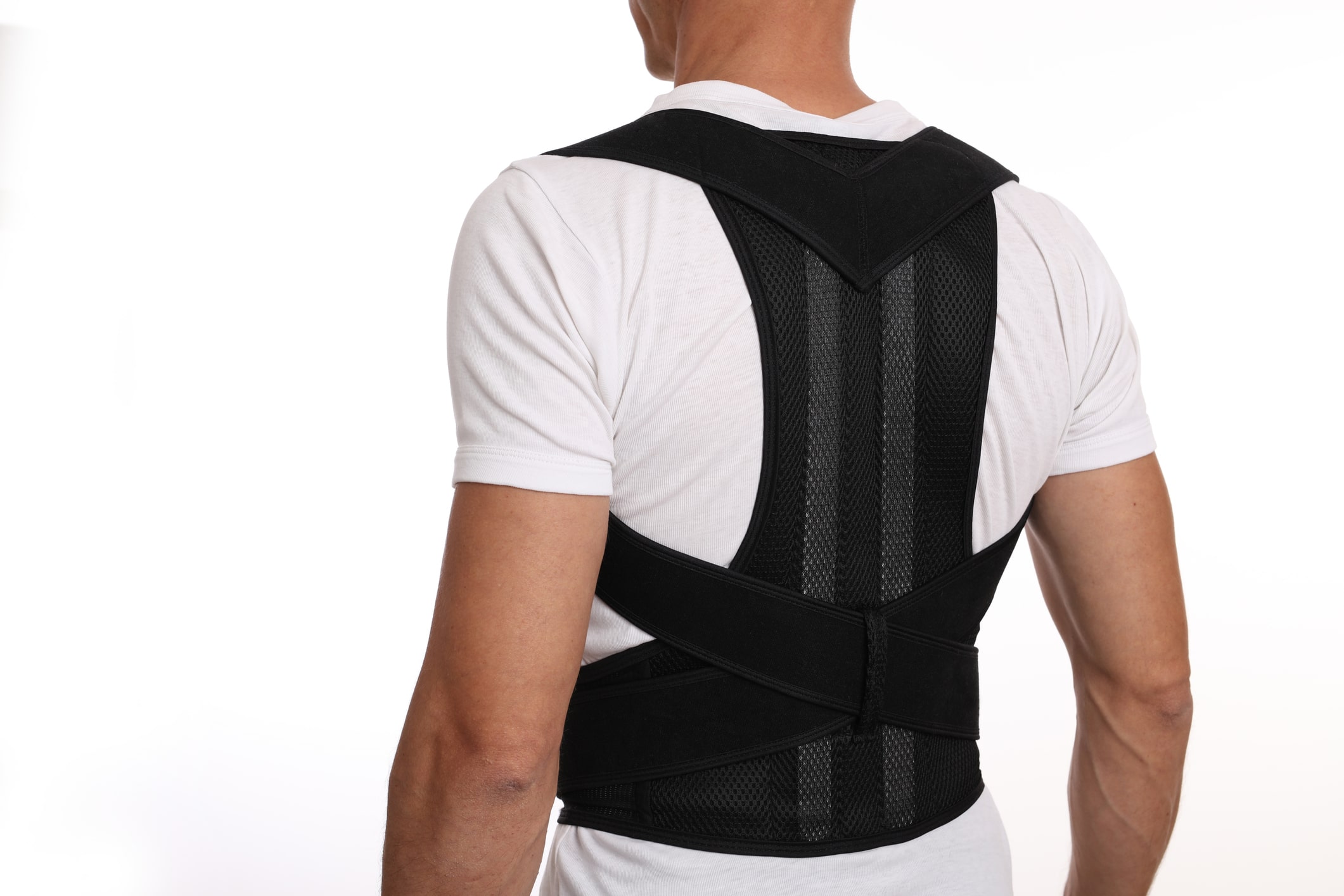
Even in the best-case scenario, bad posture can lead to back pain and injury. However, when you are hitting the pavement every second for minutes or hours on end, your slumped-over gait is extra harmful. Back supports help to maintain the normal curvature and alignment of the spine. This provides external support that corrects abnormal posture. Additionally, bad posture is often the result of pain, weakness or injury. An orthopedic back support can help reduce pain and thus make it easier to maintain good posture while running.
4. An Awkward Slide Into Second Base
Stealing a base is something that can change a game in only a couple of seconds. However, it also requires quick, jolting movements that, if the unfortunate happens, can result in a back injury. An orthopedic back support helps to prevent such an injury by stabilizing the back and the spine. This reduces serious and harmful shifting of muscles and joints during any quick, pivoting movement.
5. A Battle for a Rebound Gone Wrong
It happens all too often in the heat of a basketball battle: you jump for a rebound and you end up twisting your body in an odd and painful way in order to out-do an opposing player. The over-extension of the body can cause a sprain or another form of back injury. However, a back support can help prevent this misfortune from befalling you on the court. It does this by transferring a portion of the pressure from that over-extension into other, stronger areas of your body, such as the abdomen. This leads to better all-around support and less pain.
6. Taking a Tumble From a Bike
Any number of unfortunate events can lead to a tumble from your bike. A back brace is not going to eliminate the vast majority of them. However, it can help prevent more severe injury and pain in the event of a fall. Biking often leads to a hunched-over posture, which then results in weaker back muscles that are more susceptible to injury. An orthopedic back support can help build up your posture. It will also strengthen your back so the chances of injury and intense pain are cut down.
Choosing the Right Back Brace to Prevent Injury
Across all six scenarios, a common theme emerges: a back brace to prevent injury works by supporting posture, stabilizing the spine, and redistributing load away from vulnerable structures. But not every brace is suited to every activity. A brace designed for lifting will differ from one designed for running or golf, and athletes should choose a support that matches the demands of their sport.
For clinicians, the practical takeaway is to assess the athlete’s movement patterns, identify the specific stresses their sport places on the back, and recommend a brace accordingly — alongside strength training and technique work that address the underlying causes of risk.
About Dunbar Medical
Dunbar Medical is a premier supplier of sports medicine and home health care products to pharmacies, physiotherapists and other clinics, and sports teams throughout Canada. The company distributes the leading brands in sports medicine through its national sales team and is known for its expertise in the field as well as its exceptionally high level of customer service and support.
For clinicians recommending a back brace to prevent injury, Dunbar Medical offers access to leading brands such as Bio Skin, Mueller Sports Medicine, McDavid, Kinesio, LP Support and many others — including a range of back supports and belts suited to different sports and activities.
To learn more about the range of back braces and other products carried by Dunbar Medical, please call 1-800-265-7126, visit https://dunbarmedical.com or email sales@dunbarmedical.com.