Diabetic Neuropathy: Screening, Management And Foot Protection
Diabetic neuropathy is one of the most common long-term complications of diabetes, and its effect on the feet is a leading cause of foot ulcers and amputation. Pharmacists, foot care nurses, chiropodists, physiotherapists and other clinicians all play a part in spotting it early and helping patients protect their feet.
This guide covers what diabetic neuropathy is, how it is screened for, how it is managed, and the foot protection that helps prevent complications.
What Is Diabetic Neuropathy?

Diabetic neuropathy is nerve damage caused by long-term high blood glucose. The most common form, diabetic peripheral neuropathy, affects the nerves to the feet and legs first, and later the hands. According to Diabetes Canada, risk factors include high blood glucose, high triglycerides, excess body weight, smoking and high blood pressure.
Patients may describe burning, tingling, pins and needles, shooting pain or numbness in the toes and feet. The loss of protective sensation is the main danger: patients may not feel a blister, cut or pressure area, which can then develop into an ulcer or infection.
Screening For Diabetic Neuropathy
Diabetes Canada recommends screening people with type 2 diabetes at diagnosis and every year after, and people with type 1 diabetes annually once they have had diabetes for five years. Two quick, painless tests are commonly used:
- 10-gram monofilament test: a thin nylon filament pressed against points on the foot, including the big toe, to check for loss of protective sensation.
- Vibration testing: a 128 Hz Tuning Fork placed on the back of the big toe.
Other sensory and reflex tools, such as the Wartenberg Neurological Pinwheel and Neurological Hammer with Brush & Needle, can help with a fuller neurological assessment. Browse our neurological sensory instruments.
Managing Diabetic Neuropathy
There is no cure for diabetic neuropathy, so management focuses on slowing progression, relieving symptoms and preventing complications:
- Blood glucose control to help prevent further nerve damage, along with managing blood pressure, lipids and smoking.
- Medication for painful neuropathy, prescribed by the patient’s doctor.
- Physical activity and balance training, since reduced sensation in the feet affects balance and increases the risk of falls.
- Daily foot care and protective footwear, described below.
Some patients also use TENS for painful neuropathy, under the guidance of their health care provider.
Foot Protection For Patients With Diabetic Neuropathy
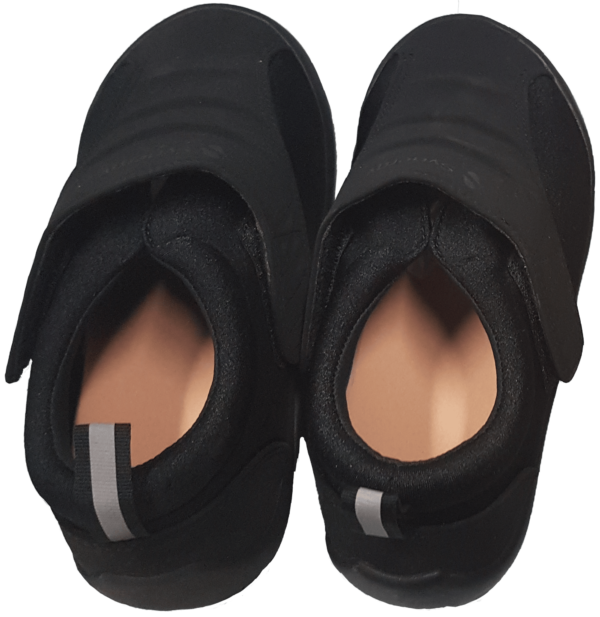
Diabetes Canada advises patients to check their feet daily, keep nails trimmed, moisturize dry skin (but not between the toes), test bath water before stepping in, avoid soaking the feet and wear well-fitting footwear. For patients with loss of sensation, clinicians often recommend:
- Diabetic shoes with extra depth, a wide toe box and a seamless lining, such as these Diabetic Shoes.
- Diabetic socks that are non-binding, seamless and moisture-wicking, such as these Diabetic Socks.
- Regular professional foot care from a foot care nurse, chiropodist or podiatrist, especially for nails, calluses and corns.
- Prompt attention to any blister, cut, colour change or swelling.

If a wound does develop, early offloading and wound care are essential. See our guide to the diabetic foot ulcer.
Frequently Asked Questions
What are the first signs of diabetic neuropathy?
Tingling, burning, pins and needles or numbness in the toes and feet are common early symptoms, although some patients notice nothing until sensation is lost.
How often should patients be screened for diabetic neuropathy?
Diabetes Canada recommends yearly screening, starting at diagnosis for type 2 diabetes and after five years for type 1 diabetes.
Can diabetic neuropathy be reversed?
There is no cure, but good blood glucose control can help slow progression, and symptoms can often be managed.
What footwear is best for diabetic neuropathy?
Shoes with extra depth, a wide toe box and a seamless interior, worn with non-binding diabetic socks, and checked regularly for fit.
Diabetic Foot Care Supplies For Clinics And Pharmacies
Dunbar Medical supplies pharmacies, foot care clinics, physiotherapy clinics and long-term care homes across Canada with diabetic footwear, offloading boots, wound care and assessment tools. Browse our foot care range, or contact our team for product advice.
Conclusion
Diabetic neuropathy is common, often silent and a major cause of foot ulcers. Screen regularly with a monofilament and tuning fork, support patients with blood glucose control and daily foot care, and recommend protective footwear and socks so that small problems are caught before they become serious.