


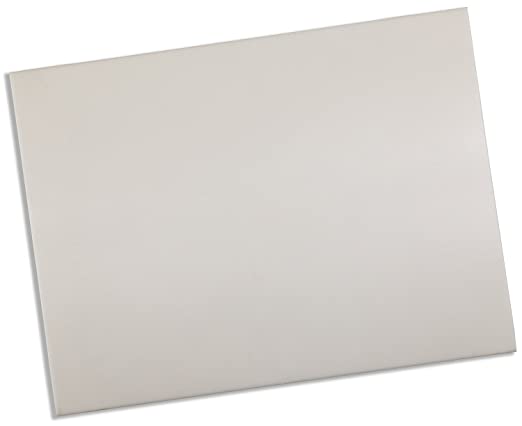
Aquaplast-T Thermoplastic Splinting Material
By: Rolyan
| Colour | White |
|---|
Rolyann Aquaplast Thermoplastic Splinting Material allows repeated reheating and cooling to permit continual adjustment until the desired result is attained.
Rolyan’s Aquaplast-T is the same product as their Aquaplast Thermoplastic Splinting Material with the addition of a non stick coating in additional to the 100% memory for which it is renowned.
It offers an ideal balance between the requirements for conformability and resistance to stretch. As a flexible and moldable material, it is superbly equipped for splinting areas such as the back, elbow, ankle and other body parts.
This splinting material also has the feature of turning transparent or translucent once it is heated.
Once it is heated, the clinician can create a temporary bond by pinching the material together. The bond will become permanent once the coating of the splint has been scrubbed off or otherwise removed by using a suitable solvent.
Otherwise, the bond softens as the material cools.
The ability to form temporary bonds allows the clinician to revise and adjust the splint repeatedly as needed until the desired results are obtained.
Aquaplast Thermoplastic Splinting Material is available in various thickness and perforation levels.
| Colour | White |
|---|
Q & A

Table of Contents
Frequently Asked Questions
What makes Aquaplast unique compared to other thermoplastics?
Aquaplast is renowned for its exceptional 100% memory, meaning it can be reheated and remolded multiple times without losing its integrity or becoming brittle. This is a critical feature for clinicians during the fitting process, as it allows for repeated adjustments to achieve a perfect, custom contour. Furthermore, products like Rolyan’s Aquaplast-T include a specialized non-stick coating that prevents the material from adhering to itself until intentionally desired. This combination of perfect memory and controlled bondability sets it apart from materials that stretch too easily or set too permanently.
Aquaplast Thermoplastic Splinting Material also strikes an ideal balance between conformability and resistance to stretch. It becomes pliable and molds precisely to complex body contours when heated, yet it resists unwanted thinning or deformation during handling. An additional distinctive feature is its visual transition to a transparent or translucent state when heated, providing clinicians with a clear view of the underlying anatomy and skin to ensure a proper, pressure-free fit.
How does the bonding process work for creating seams or closures?
Aquaplast Thermoplastic Splinting Material utilizes a unique temporary bonding system that offers unparalleled flexibility during fabrication. When heated, the clinician can create a secure temporary bond simply by pinching the material together. This allows for the splint to be assembled, adjusted, and even completely revised as needed while the material remains warm. This reversible process eliminates waste and frustration, enabling perfect iterative customization.
To make this temporary bond permanent, the surface coating at the seam must be removed. This is typically done by gently scrubbing the bonding area with an abrasive pad or using a compatible solvent. Once the coating is removed and the material is reheated, the bond becomes lasting and durable. This two-stage bonding method provides complete control, ensuring final splints are strong and secure while the process remains forgiving and adaptable.
What are the key considerations when selecting the right Aquaplast Thermoplastic Splinting Material product for a specific application?
The primary considerations are the thickness, perforation level, and specific product line (such as the non-stick Aquaplast-T). Thickness determines the rigidity and durability of the final splint; thicker sheets are chosen for larger joints or areas requiring significant support, while thinner sheets offer greater conformability for smaller, more intricate areas. Perforation levels impact ventilation, weight, and how easily the material can be molded; highly perforated versions improve breathability for patient comfort, especially in warm climates or for long-term wear.
Selection is always guided by the clinical purpose and anatomical site. For instance, a highly perforated, medium-thickness sheet might be ideal for a hand or wrist splint for comfort and detail, while a thicker, solid sheet could be selected for a rigid ankle or elbow immobilizer. The non-stick Aquaplast-T is particularly valuable for complex splints requiring multiple seams or for clinicians prioritizing effortless repositioning during the molding process.


Reviews
There are no reviews yet