Causes of Dropped Head Syndrome
Dropped Head Syndrome can be caused by various factors, including:
Muscle Weakness or Myopathy
The most common cause of DHS is muscle weakness or myopathy, which can be associated with underlying neuromuscular disorders such as inclusion body myositis, muscular dystrophy, myasthenia gravis, or polymyositis.
Nerve Damage or Neuropathy
In some cases, nerve damage or neuropathy affecting the nerves that control the muscles in the neck can lead to Dropped Head Syndrome. Conditions such as amyotrophic lateral sclerosis (ALS), cervical radiculopathy, or nerve compression can be contributing factors.
Postural Instability
Poor posture, especially in individuals with weak neck muscles, can contribute to the development of Dropped Head Syndrome over time.
Symptoms of Dropped Head Syndrome
The primary symptom of Dropped Head Syndrome is the inability to hold the head in an upright position. Other associated symptoms may include:
Progressive Muscle Weakness
Gradual weakness or loss of strength in the neck muscles, leading to a progressive inability to maintain head control.
Neck Pain and Fatigue
Some individuals with Dropped Head Syndrome may experience neck pain or discomfort due to the constant strain and effort required to support the head.
Forward Head Posture
As the condition progresses, individuals may develop a forward head posture, with the chin tucking towards the chest.
Limited Neck Mobility
Reduced range of motion in the neck, especially in extension (looking up), can be observed in individuals with Dropped Head Syndrome.
Treatment of Dropped Head Syndrome
The treatment approach for Dropped Head Syndrome focuses on managing symptoms, addressing the underlying cause if possible, and improving functional abilities. Treatment options may include:
Physical Therapy
A structured physical therapy program can help strengthen the neck muscles, improve posture, and enhance mobility and stability. Specific exercises targeting the neck and upper back muscles may be prescribed.
Assistive Devices
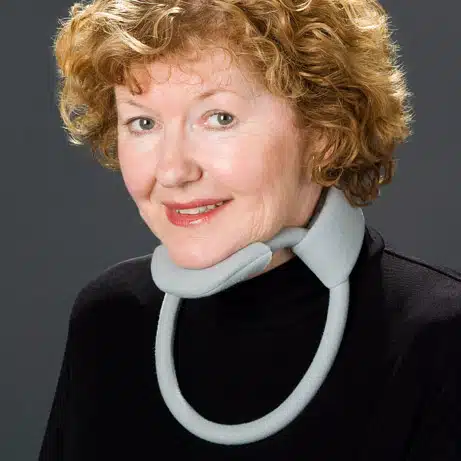
Depending on the severity of the condition, assistive devices such as neck collars, cervical braces (such as the HeadMaster Collar) or other neck supports may be recommended to provide external support and alleviate strain on the neck muscles.
Medications
In cases where Dropped Head Syndrome is associated with underlying neuromuscular disorders, medications such as immunosuppressants, corticosteroids, or medications targeting specific symptoms may be prescribed.
Assistive Technology
Individuals with severe Dropped Head Syndrome may benefit from assistive technology devices such as powered wheelchairs or headrests that provide support and improve functional independence.
Surgical Intervention
In rare cases where other treatments have failed to provide relief, surgical options such as tendon transfers, muscle releases, or spinal fusion procedures may be considered. Surgical interventions aim to improve head control and posture.
Psychological Support
Coping with the challenges of Dropped Head Syndrome may require psychological support, counseling, or involvement in support groups to address emotional well-being and enhance adaptation to the condition.
Conclusion
Dropped Head Syndrome is a complex condition characterized by weakness or paralysis of the neck muscles, leading to an inability to hold the head upright. Understanding the causes, recognizing the symptoms and implementing appropriate treatment strategies are essential for managing Dropped Head Syndrome effectively.
Collaborating with healthcare professionals, including physical therapists, neurologists, and rehabilitation specialists, is crucial in developing a tailored treatment plan that addresses individual needs.
Although there is no cure for Dropped Head Syndrome, appropriate interventions and support can improve functionality, alleviate symptoms, and enhance the quality of life for individuals living with this challenging condition.